
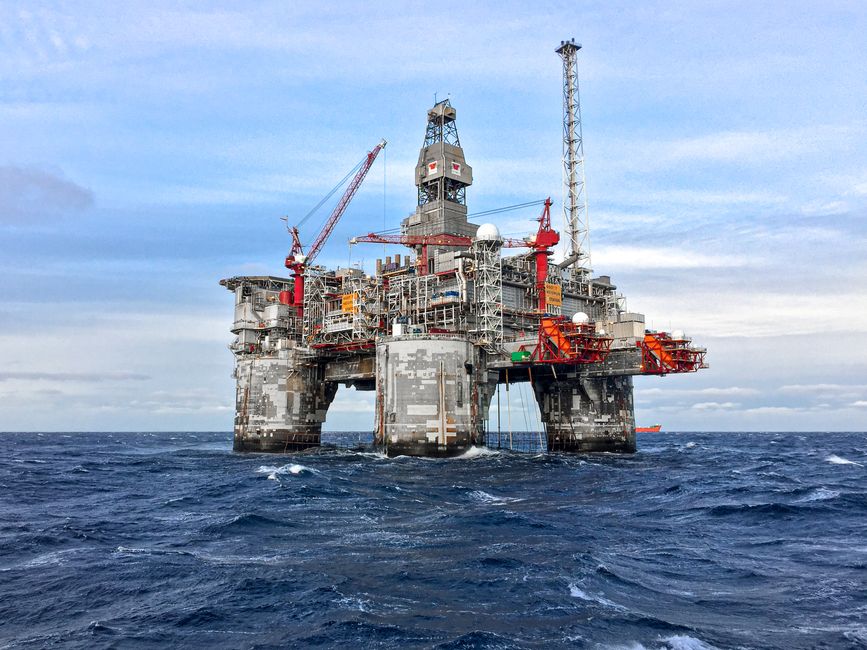
BP has announced its withdrawal from North Sea oil and gas operations, marking a significant strategic repositioning for the energy multinational and raising fresh questions about Scotland’s energy sector stability during its transition toward renewable sources.
The decision reflects broader industry trends as major energy companies reassess their hydrocarbon portfolios amid shifting energy policies and market pressures. For Scotland, historically dependent on North Sea petroleum revenues and employment, the exit represents a material contraction in traditional energy infrastructure at a moment when the nation remains heavily invested in developing alternative energy capacity.
Scottish Energy Sector Under Pressure
Scotland’s renewable energy ambitions have encountered notable obstacles despite the country’s substantial wind and marine resources. Multiple wind and tidal projects have experienced delays, cost overruns, and regulatory complications that have slowed the transition away from conventional energy sources. The combination of BP’s withdrawal and renewable deployment difficulties creates a challenging environment for energy planners seeking to maintain industrial capacity and employment during this structural shift.
The North Sea has historically provided critical economic contributions to Scotland through production operations, supply chain services, and skilled employment. BP’s departure removes one of the region’s largest operators and signals potential acceleration in the sector’s contraction. Industry observers note that such withdrawals can create cascading effects across supply chains, as smaller service providers lose major customers and investment confidence weakens.
Implications for Energy Policy
The announcement underscores tensions between climate transition objectives and near-term energy security concerns. While renewable energy deployment accelerates globally, the practical challenges of scaling wind and marine installations have proven more complex than some forecasts suggested. Grid infrastructure limitations, environmental assessment delays, and capital constraints have constrained project development timelines.
For Scotland specifically, the transition strategy now faces dual pressures: managing the decline of established hydrocarbon operations while simultaneously addressing implementation delays in renewable alternatives. Government officials face difficult decisions regarding energy policy, workforce transition support, and infrastructure investment priorities.
Broader European Context
BP’s North Sea exit carries implications beyond Scotland, reflecting reassessments occurring across European energy sectors. Major operators throughout the North Sea and other mature hydrocarbon regions are evaluating their long-term portfolios, with some reducing conventional energy exposure more rapidly than others. This creates uncertainty for European energy security planning, particularly regarding supply sources and transition timelines.
The movement also highlights challenges that European renewable energy sectors face in converting policy ambitions into operational reality. While decarbonization targets remain firm across EU member states and the United Kingdom, the gap between stated objectives and practical deployment has widened in recent years due to regulatory, financial, and technical obstacles.
Energy market analysts suggest that BP’s decision may prompt broader industry consolidation and strategic realignment across European hydrocarbon operations, with potential consequences for employment, investment, and energy supply dynamics across the region.