
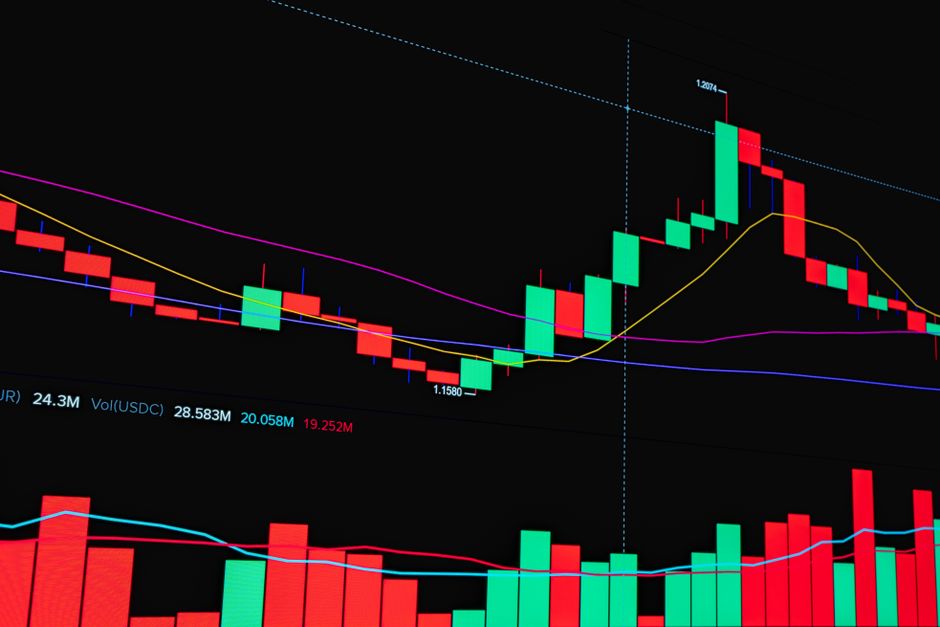
The DAX index reversed course on Thursday evening, posting gains after a period of declines that had pressured European equities. The benchmark’s recovery came as investors positioned themselves ahead of critical economic data and corporate developments expected to shape trading sentiment in the coming sessions.
Among the catalysts drawing investor attention is Volkswagen‘s comprehensive restructuring plan, which has become a focal point for market participants monitoring the automotive sector. The German manufacturer’s strategic initiative represents a significant undertaking for one of Europe’s largest industrial enterprises, with implications extending across supply chains, employment, and competitive positioning in an increasingly electrified automotive landscape.
Market Momentum Shift
The DAX’s positive close on Thursday signaled shifting momentum after the index had endured consecutive sessions of weakness. Traders cited a combination of factors for the turnaround, including bargain hunting at lower valuations and optimism surrounding select corporate developments. The recovery set the stage for Friday’s trading session, which promises to deliver substantial market-moving information.
Investors’ calendar for Friday includes significant data releases focused on the United States labor market, a barometer closely watched by global financial markets for signals regarding economic health and monetary policy direction. Additionally, broader economic indicators scheduled for release are expected to influence sentiment across equities, bonds, and currency markets throughout Europe and beyond.
Volkswagen in Focus
The automotive sector remains central to German economic performance and Frankfurt market dynamics. Volkswagen’s restructuring initiative has captured investor interest as the company navigates the transition toward electric vehicle production, manages cost structures, and adapts to evolving regulatory requirements across its major markets. The plan’s specifics—including potential impacts on workforce levels, capital allocation, and divisional strategy—represent material considerations for equity investors holding positions in the manufacturer.
The company’s developments carry broader significance for the automotive industry as traditional manufacturers accelerate transformation efforts amid intensifying competition from electric vehicle specialists and established competitors expanding their EV portfolios. Restructuring announcements from major automotive players influence investor sentiment across the entire sector and related supply chain businesses.
Broader European Implications
The focus on Volkswagen’s strategic overhaul reflects investor recognition that European automotive competitiveness depends substantially on successful industrial transformation. As manufacturers undertake major restructuring initiatives, considerations surrounding workforce transitions, regional manufacturing footprints, and technological investments gain regulatory and political attention across European capitals.
The coming sessions are likely to demonstrate whether market momentum carries forward and how investors digest the economic data and corporate news entering the market. For equity investors monitoring Frankfurt trading and broader European financial markets, developments at major industrial companies like Volkswagen serve as important barometers for sector health and economic trajectory during a period of substantial structural change across the continent’s traditional manufacturing base.