
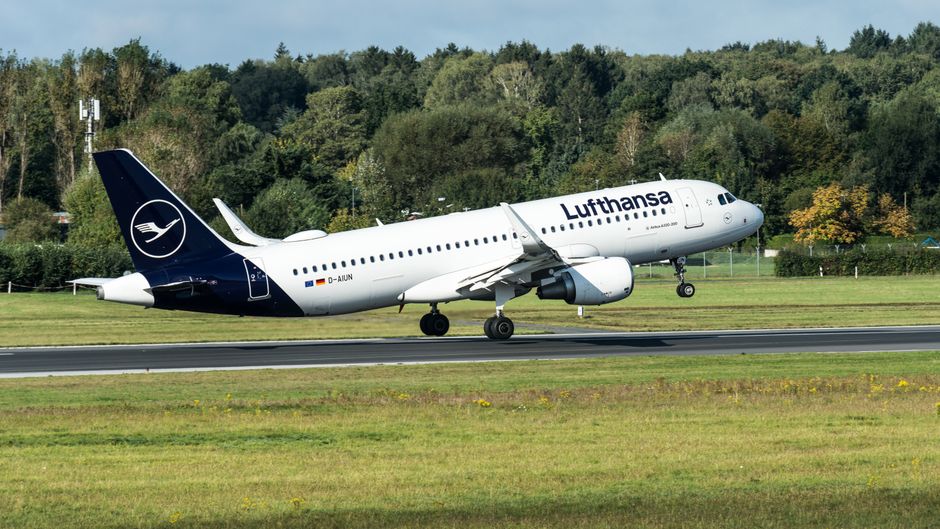
Lufthansa has failed to meet the necessary requirements for inclusion in Germany’s premier DAX index, according to a decision by Deutsche Börse, the operator of the Frankfurt Stock Exchange. The airline will remain outside the main benchmark for the time being, though the decision opens the possibility for future qualification once eligibility criteria are satisfied.
The determination was made as part of Deutsche Börse’s periodic review of its index constituents, a process conducted to ensure that indices accurately reflect the composition of their respective market segments. While Lufthansa was unable to secure a place in the DAX, which tracks the 40 largest and most liquid companies listed in Germany, the review process has triggered adjustments within the secondary indices.
Index Composition Changes
The MDax and SDax indices will undergo component modifications following Deutsche Börse’s assessment. The MDax, which comprises mid-cap stocks, and the SDax, which focuses on small-cap enterprises, together represent the next tier of German equity market capitalization below the DAX. These adjustments are designed to maintain the structural integrity and representativeness of each index within the Frankfurt Stock Exchange framework.
Lufthansa’s exclusion from DAX consideration reflects specific quantitative and qualitative metrics that Deutsche Börse applies when evaluating potential index members. These criteria typically encompass factors such as market capitalization, trading liquidity, free float, and adherence to regulatory standards. The airline’s current market position, influenced by ongoing operational challenges and recovery dynamics following pandemic-related disruptions, appears insufficient to meet the stringent thresholds required for main index status.
Implications for Market Participants
The decision carries consequences for fund managers and investment institutions that track DAX constituents. Index inclusion significantly influences capital flows, as passive investment vehicles tied to the benchmark must adjust their holdings accordingly. Conversely, the adjustments within the MDax and SDax will similarly affect portfolios tracking those indices, though typically with different magnitude given their smaller capitalization profiles.
Lufthansa’s positioning outside the DAX, despite being one of Europe’s largest airlines by revenue, underscores the competitive dynamics within German equity markets. The company retains substantial relevance within European financial markets as a major transportation sector representative, though its current index classification reflects near-term market conditions rather than long-term strategic importance.
The Frankfurt Stock Exchange continues to serve as a critical hub for European equity trading, and index decisions by Deutsche Börse carry weight across institutional investment communities throughout the continent. As German equities remain a focal point for European portfolio allocation strategies, decisions regarding DAX composition influence broader sentiment toward German financial markets and the health of domestic corporate champions within key industrial sectors.