
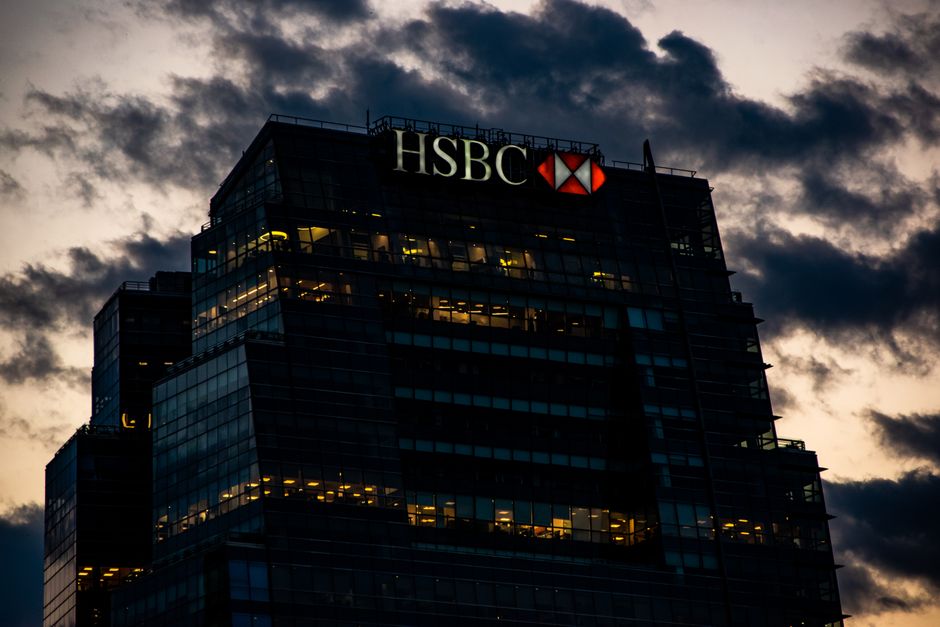
HSBC Holdings plc, the London-based global financial services firm, has announced the closure of its German business unit, resulting in the elimination of more than 300 positions across the country. The decision marks a significant withdrawal from the German market as the British bank pursues a more concentrated strategy centered on Asian operations and key financial hubs.
The closure represents a deliberate reorientation of HSBC’s European footprint, reflecting broader strategic priorities within the organization. Rather than maintaining a broad geographic presence across mature Western markets, the bank has determined that consolidating resources toward Asian growth opportunities offers superior prospects for shareholder returns and operational efficiency. Germany, Europe’s largest economy, will no longer feature prominently in HSBC’s European banking operations following the wind-down.
Strategic Shift Away from European Operations
The decision to exit Germany aligns with HSBC’s long-standing pivot toward Asia-Pacific markets, where the bank maintains substantial operations and considerable client relationships. Over recent years, the institution has progressively streamlined its presence in several Western European countries as competition intensifies and regulatory requirements increase operational complexity. The closure of the German division underscores management’s conviction that concentrated presence in high-growth regions delivers superior outcomes compared to fragmented operations across developed markets.
The affected employees will face restructuring as HSBC implements the exit plan. The scale of the job reductions—exceeding 300 positions—suggests the German unit represented a meaningful segment of the bank’s European workforce, though the institution has not disclosed the current total headcount in Germany prior to the announcement.
Regulatory and Competitive Context
The exit from Germany occurs within an increasingly challenging environment for large foreign banks operating in continental Europe. Regulatory frameworks, including capital requirements and consumer protection mandates, have raised operational costs substantially since the financial crisis. Simultaneously, competition from both established European banking groups and emerging fintech competitors has compressed margins, particularly in retail and mid-market segments where HSBC maintained exposure.
German regulators and financial authorities will need to oversee the orderly wind-down of HSBC’s operations to ensure customer protections and financial stability considerations are maintained throughout the transition period. The closure will likely involve transferring customer relationships and resolving outstanding obligations with German counterparties and clients.
The broader implications for European financial markets reflect ongoing consolidation pressures affecting international banking groups. As regulatory burdens increase and profitability challenges persist in developed Western economies, major institutions continue reassessing their geographic priorities. HSBC’s German exit exemplifies this trend, signaling that even substantial foreign banking operations face discontinuation when strategic reviews conclude that alternative regional deployments offer superior long-term value creation.