
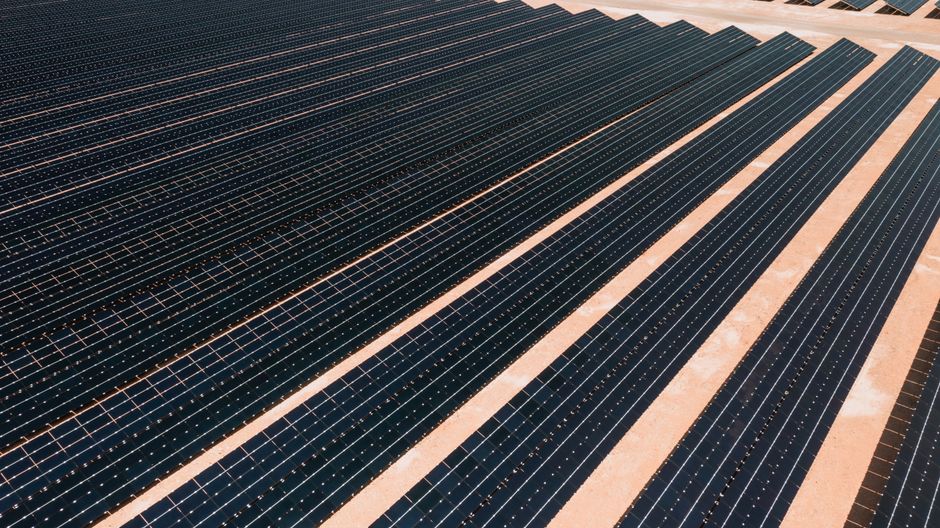
Solaria Energía y Medio Ambiente SA, the Madrid-based renewable energy company, has announced plans to construct a 500-megawatt solar power plant in Uruguay to supply electricity to a data centre facility located in the vicinity of Montevideo.
The project represents a significant expansion of Solaria’s operational footprint in South America and underscores the growing strategic importance of renewable energy infrastructure to support the region’s digital economy. The solar plant will be specifically designed to meet the substantial and continuous power requirements of the data centre, which has been identified as a major consumer in Uruguay’s expanding technology sector.
Strategic Infrastructure Development
Uruguay has positioned itself as an attractive destination for renewable energy investment, supported by regulatory frameworks that encourage clean power generation and existing hydroelectric capacity that complements solar development. The country has established itself as a regional leader in sustainable energy policy, with targets for increased renewable energy penetration in its electricity grid.
The data centre sector has emerged as a critical driver of power demand across Latin America, with technology companies and multinational enterprises increasingly seeking reliable, sustainable energy solutions. By coupling solar generation directly with data centre operations, Solaria’s project addresses both the infrastructure needs of digital economy participants and the region’s decarbonisation objectives.
Commercial and Operational Implications
The 500MW capacity of the proposed facility positions it as a substantial renewable energy asset within Uruguay’s power infrastructure landscape. The plant’s design to serve a single major consumer reflects an emerging trend in European and global renewable energy markets, where large industrial and technology enterprises increasingly negotiate dedicated power supply arrangements with renewable energy developers.
This investment model mirrors developments observed across European markets, where corporate power purchase agreements and dedicated renewable energy infrastructure have become commonplace among data centre operators and other energy-intensive industries seeking to meet environmental, social, and governance commitments.
Solaria’s engagement in the Uruguayan market demonstrates how European renewable energy firms continue to diversify geographically while maintaining focus on predictable, long-term revenue streams through contracted power supply relationships. The project’s connection to data centre infrastructure also reflects broader patterns in how financial capital is flowing toward renewable energy assets that support digital economy requirements.
Broader Market Context
The initiative arrives at a time when renewable energy investment across Latin America remains robust, despite macroeconomic headwinds affecting broader European financial markets. European renewable energy developers have sustained significant investment activity in the region, supported by improving regulatory environments and demonstrated demand for clean energy infrastructure.
The development highlights how European financial and operational expertise in renewable energy deployment continues to find application beyond the continent, contributing to global decarbonisation efforts whilst generating returns for investors and financial institutions supporting such infrastructure projects.