
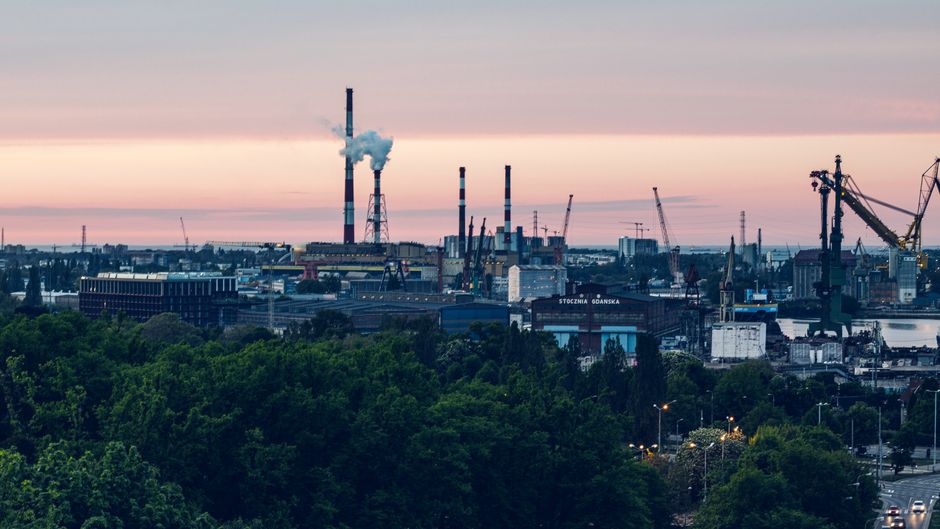
SK On Co. and Samsung SDI Co., two of South Korea’s leading battery manufacturers with substantial operations across Hungary, are encountering intensified regulatory oversight from Hungarian authorities. The development marks a notable shift in the operating environment for these companies, which have committed billions of dollars to establish manufacturing capacity in the Central European nation.
Investment Scale and Strategic Importance
Both companies have positioned Hungary as a critical manufacturing hub within their European supply chain strategies. Their facilities in the country represent significant capital commitments aimed at servicing the region’s growing demand for battery solutions, particularly in the context of Europe’s automotive electrification transition. The scale of their investments underscores the strategic importance of Hungary as a manufacturing destination for energy storage technologies.
SK On and Samsung SDI have constructed advanced production facilities designed to support European automakers transitioning toward electric vehicle platforms. These operations have been integral to both companies’ efforts to establish European market presence amid intensifying competition from Chinese battery manufacturers and growing demand from Western automotive suppliers.
Regulatory Environment Shifts
The increased regulatory scrutiny from Hungarian authorities introduces a new layer of complexity for these manufacturers’ operations. While specific details regarding the nature and scope of the regulatory examination remain limited, such heightened oversight typically encompasses environmental compliance, labor standards, supply chain practices, and adherence to local operational requirements.
The timing of this scrutiny occurs against a broader backdrop of European regulatory intensification within the battery manufacturing sector. The European Union has implemented increasingly stringent standards governing battery production, including environmental impact assessments and sustainability requirements. National authorities, including those in Hungary, have correspondingly enhanced monitoring of major industrial operations.
Broader European Context
The regulatory pressure on these South Korean manufacturers reflects a wider European trend toward more rigorous oversight of foreign industrial investments. As battery manufacturing becomes increasingly central to Europe’s energy transition and automotive future, regulatory bodies have demonstrated heightened vigilance regarding operational standards and compliance frameworks.
Hungary’s examination of these operations occurs within the context of the European Union’s broader regulatory agenda around battery sustainability, carbon footprint reduction, and responsible sourcing of materials. The Battery Regulation framework, which establishes mandatory requirements for battery design, production, and end-of-life management, has prompted regulators across member states to intensify monitoring of manufacturing facilities.
For international investors in European battery manufacturing, this development signals the importance of maintaining comprehensive compliance infrastructure and transparent engagement with regulatory authorities. The scrutiny directed toward SK On and Samsung SDI may establish precedent for regulatory approaches toward other foreign battery manufacturers operating within the EU, potentially influencing investment decisions and operational planning for the sector moving forward.