
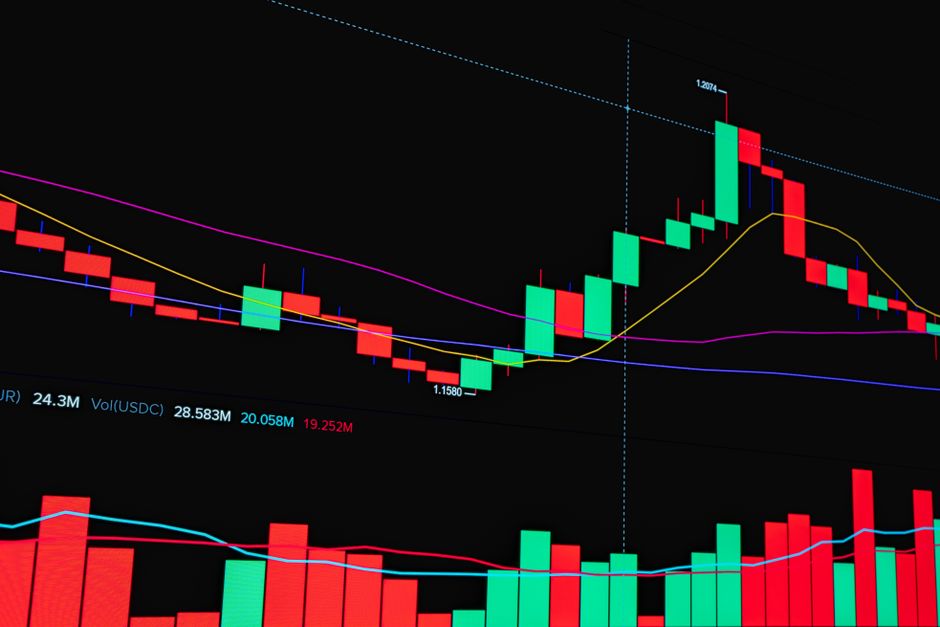
Germany’s DAX index fell to its lowest level since July on 26 November, as investors grappled with mounting concerns over artificial intelligence-related valuations alongside fresh anxieties regarding United States tariff measures. The decline underscores growing unease across European equity markets as traders reassess risk positions heading into a critical week of economic data releases.
The Frankfurt-listed benchmark experienced sustained selling pressure throughout the session, with technology stocks bearing the brunt of the downturn. The weakness in AI-focused equities reflects broader market sentiment suggesting that valuations in this sector may have become stretched relative to underlying fundamentals. Simultaneously, the prospect of additional US tariffs has introduced fresh uncertainty into the investment landscape, prompting portfolio managers to adopt a more cautious stance ahead of anticipated trade policy announcements from Washington.
Market Focus on Economic Calendar
Market participants are now directing their attention toward Thursday’s scheduled economic data releases, which are expected to provide crucial insights into the trajectory of European growth and inflation dynamics. These indicators will likely inform central bank expectations and influence capital allocation decisions across the continent in coming weeks. The timing of these releases coincides with heightened sensitivity to macroeconomic signals, as investors seek to recalibrate their outlooks amid persistent geopolitical and policy uncertainties.
Adding to the week’s focal points, the investment community is awaiting corporate earnings updates from major European firms. The forthcoming performance report from Rheinmetall, the German defence and automotive technology manufacturer, is expected to draw particular attention from analysts tracking the European industrial sector. The company’s results will provide market participants with granular insight into operational trends and capital deployment strategies within Germany’s heavyweight manufacturing base.
Tariff Uncertainty Weighs on Risk Sentiment
The emergence of new US tariff concerns represents a material headwind for European equity indices, particularly those with significant exposure to transatlantic trade flows. The DAX’s proximity to its July lows suggests that current trade policy uncertainties have eroded investor confidence at a pace comparable to challenges faced during the summer months. This dynamic has implications for export-oriented sectors including automotive, machinery, and chemicals, which form substantial components of German equity benchmarks.
The convergence of multiple negative factors—including AI sector valuation questions, US trade policy risks, and macro uncertainty—has created an environment characterised by reduced risk appetite. Smaller intraday rallies have proven unable to sustain momentum, indicating that selling pressure remains entrenched across the market structure.
The current environment reflects broader European financial market dynamics, where concerns about economic growth, monetary policy trajectories, and geopolitical risks continue to overshadow positive corporate fundamentals for many established companies. The coming days’ economic releases and corporate earnings reports will likely prove instrumental in determining whether recent weakness represents a tactical correction or signals a more fundamental reassessment of equity valuations across the continent.