
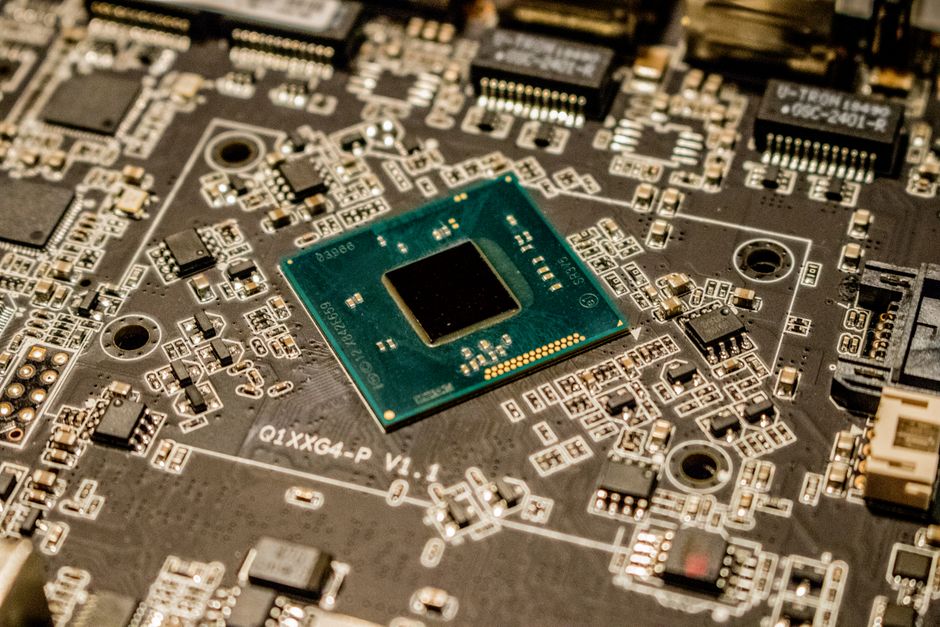
Aumovio, a German automotive supplier based in Frankfurt, is encountering substantial obstacles in procuring memory chips for the coming year, as artificial intelligence companies intensify competition for limited semiconductor supplies. The supply chain challenge underscores the broader pressure emerging across Europe’s industrial base as high-demand technology sectors vie for critical electronic components.
Jutta Doenges, Chief Financial Officer of the automotive supplier, highlighted the severity of the situation during remarks at the Bloomberg New Voices event held in Frankfurt. “Aumovio’s negotiations to secure memory chips for next year are proving difficult as artificial intelligence companies consume supplies of the key components,” Doenges stated, characterizing the competitive dynamics reshaping component availability.
Supply Chain Pressures Intensify
The memory chip shortage represents a significant departure from the semiconductor market conditions of recent years. While the automotive industry successfully navigated previous supply disruptions, the emergence of artificial intelligence as a dominant force in semiconductor demand has created new complexities for traditional manufacturing sectors. Memory chips constitute essential components in modern vehicle electronics, ranging from advanced driver assistance systems to infotainment platforms and autonomous driving infrastructure.
Aumovio’s experience reflects a broader realignment in semiconductor allocation priorities. Data centers and AI infrastructure developers, supported by substantial capital investment and accelerating deployment timelines, have established commanding positions in procurement negotiations. This dynamic has relegated conventional industrial users to secondary priority status among suppliers managing constrained production volumes.
Market Implications for European Automotive Sector
The challenges facing Aumovio carry implications for Germany’s automotive cluster and the wider European manufacturing economy. German suppliers occupy critical positions within global automotive supply chains, and disruptions to their component sourcing can cascade throughout production networks. The situation gains particular significance given Europe’s strategic ambitions to maintain technological competitiveness in electric and autonomous vehicle development, both sectors requiring sophisticated semiconductor architectures.
Frankfurt-based financial markets have tracked these supply chain developments with increasing attention, recognizing that memory chip availability constraints could influence production forecasts and earnings guidance across major automotive manufacturers. Suppliers like Aumovio that depend on consistent access to semiconductor inventories face potential margin compression if they absorb higher acquisition costs or accept unfavorable contract terms to secure supplies.
The competitive pressure from AI-focused sectors reflects deeper structural shifts in technology investment patterns. Investment flows have increasingly concentrated in artificial intelligence capabilities, cloud infrastructure, and semiconductor manufacturing capacity dedicated to neural network processing. This reallocation has reshaped supplier relationships and pricing dynamics across electronics markets.
Regulators across the European Union have signaled growing concern regarding semiconductor supply security, recognizing that industrial autonomy and technological sovereignty depend partly on consistent access to critical components. The European Commission’s Chips Act initiative was designed to address precisely these vulnerabilities, though implementation timelines extend beyond the immediate procurement challenges confronting suppliers like Aumovio in the near term.