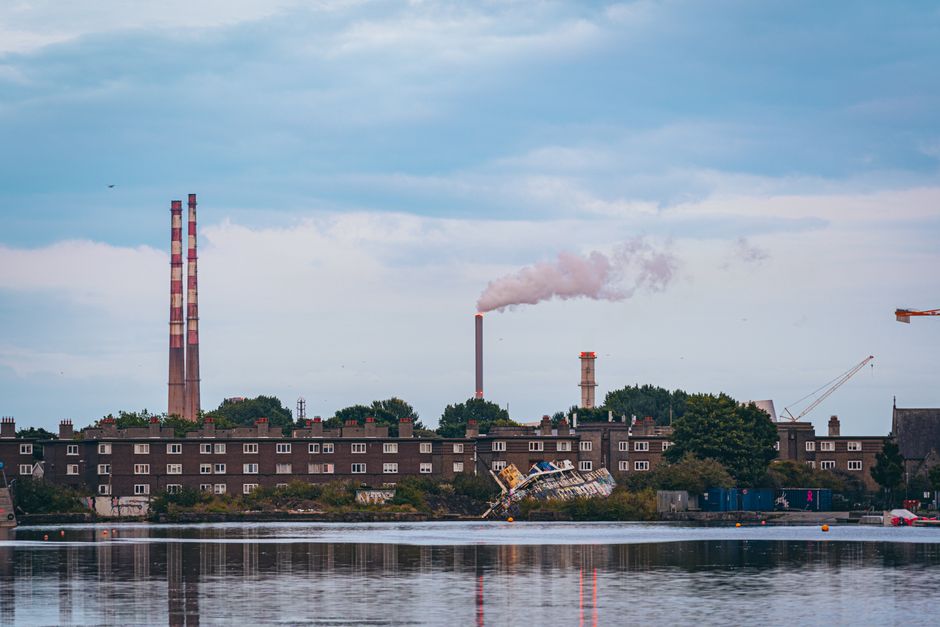
Ukrainian President Volodymyr Zelenskyy has called on the European Union to impose sanctions against Aughinish Alumina, a Russian-owned aluminium production facility located in County Limerick, Ireland, marking an intensification of diplomatic pressure on the facility during Ireland’s assumption of the EU presidency.
The appeal was made during the opening day of Dublin’s presidency of the Council of the European Union, a significant moment for the bloc’s policy agenda. Zelenskyy’s intervention highlights the intersection of Ukraine’s ongoing security concerns with European energy and commodity markets, as international sanctions regimes continue to evolve in response to Russia’s invasion.
Aughinish Alumina operates one of Europe’s largest alumina refineries, producing the raw material essential for aluminium smelting. The facility’s Russian ownership has placed it under increased scrutiny as Western nations have progressively tightened economic restrictions on Russian-linked assets and entities. The aluminium sector represents a critical component of industrial supply chains across the EU, with implications for aerospace, automotive, construction, and packaging industries.
Strategic Timing During Irish Leadership
The timing of Zelenskyy’s request carries particular weight given Ireland’s current position within EU governance structures. As the holder of the rotating EU presidency, Ireland influences the legislative calendar and policy priorities for the bloc during its six-month term. The country’s neutral status and traditional diplomatic role mean such direct appeals from foreign leaders receive heightened attention from EU decision-makers.
The call for sanctions reflects Ukraine’s broader strategy of leveraging international pressure against Russian economic interests to support its war effort and underscore the costs of aggression. Previous sanctions regimes targeting Russian entities have included asset freezes, trade restrictions, and sectoral prohibitions affecting energy, metals, and financial services.
Commodity Markets and Regulatory Considerations
The potential expansion of EU sanctions affecting Russian-owned aluminium assets could create ripple effects throughout European commodity markets. Alumina and aluminium prices have remained volatile throughout 2022 and 2023, influenced by geopolitical disruptions to supply chains and energy costs. Additional restrictions on Russian-owned production capacity could further tighten global supplies, with implications for industrial users across the continent.
Such measures would also raise questions regarding the EU’s sanctions coordination mechanisms and the procedure for identifying and restricting Russian-linked assets within member states. The decision would require consensus among EU member states and would fall under the competence of the European Council and Commission, alongside ongoing coordination with international partners including the United States and the United Kingdom.
Ireland’s presidency will likely face pressure to reconcile its traditional neutrality with the escalating demands from Ukraine and other member states for increasingly stringent economic measures against Russian interests. The outcome of deliberations regarding Aughinish Alumina may serve as an indicator of the EU’s willingness to expand sanctions to encompass additional Russian-owned infrastructure on European soil.