
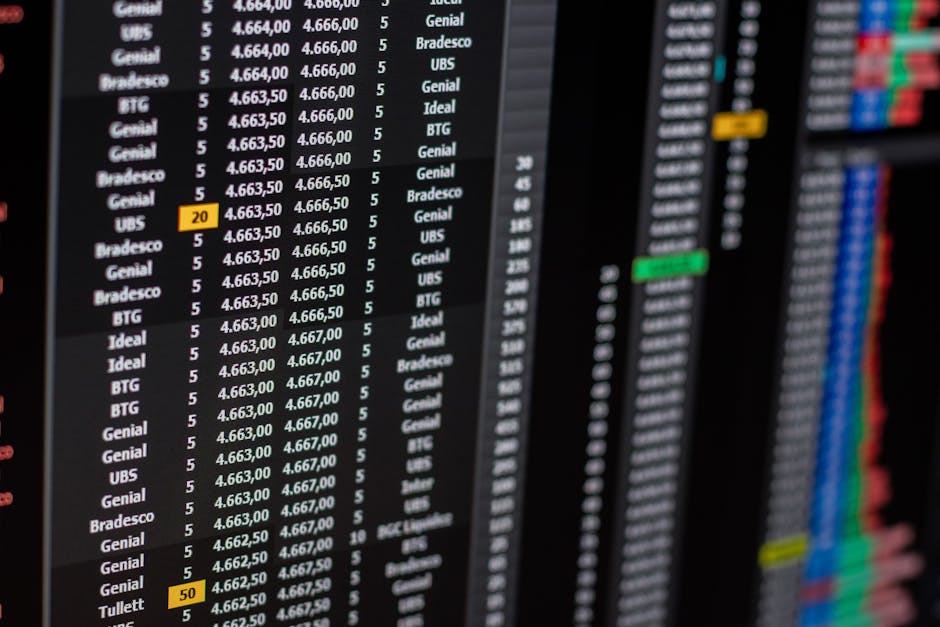
ING Groep NV, the Amsterdam-based banking institution, is implementing artificial intelligence technology known as “vibe coding” to develop new electronic trading systems across currency and credit markets. The strategic initiative reflects the bank’s efforts to enhance its trading capabilities and maintain competitive relevance against larger financial peers in an increasingly technology-driven sector.
The deployment of vibe coding represents a focused technological investment in ING’s trading infrastructure, addressing the need for sophisticated algorithmic systems that can process market data and execute trades with greater efficiency. By leveraging this AI methodology, the bank aims to strengthen its position in two critical asset classes—foreign exchange and fixed income securities—where electronic trading volumes and market competition remain intense.
Technology and Market Strategy
ING’s adoption of vibe coding for trading system development underscores the broader shift within European banking toward artificial intelligence as a competitive tool. The technology enables financial institutions to build trading systems that can identify market patterns and respond to price movements with minimal latency. For a mid-sized global bank like ING, such technological advancement becomes essential when competing against larger institutions with proportionally greater resources.
The currency and credit markets remain among the most electronically traded financial venues globally. Daily foreign exchange turnover exceeds $6 trillion, while credit markets process trillions in bond transactions. Within these environments, institutional banks compete not only on market access and pricing but increasingly on technological infrastructure and data processing capabilities.
Competitive Positioning
The initiative addresses a particular competitive dynamic facing ING. While the bank maintains significant market presence across Europe and beyond, larger global institutions such as JPMorgan Chase, Goldman Sachs, and Deutsche Bank command greater resources for technology development and trading infrastructure expansion. By deploying vibe coding specifically to currency and credit market systems, ING targets areas where technological improvements can deliver measurable advantages in execution quality and trading spreads.
ING’s investment in this AI capability demonstrates that financial institutions of various sizes continue to view artificial intelligence not as a peripheral technology but as central to core business functions. The bank’s approach reflects confidence that targeted AI implementation in specific trading domains can yield competitive returns without requiring wholesale transformation of all trading systems simultaneously.
Regulatory and Institutional Context
The development occurs within the European Union’s established regulatory framework for trading systems and market conduct. The Markets in Financial Instruments Directive II and its implementing regulations govern algorithmic trading and market surveillance across EU member states, including the Netherlands. ING’s use of AI-driven trading systems falls within this regulatory perimeter, requiring the bank to maintain appropriate systems for monitoring and controlling algorithmic trading activities.
As European financial institutions continue integrating artificial intelligence across trading and risk functions, regulators remain focused on ensuring that technological implementation does not compromise market integrity or create uncontrolled systemic risks. ING’s vibe coding initiative represents the type of targeted technology deployment that will likely characterize competitive banking in European markets throughout the coming years.