
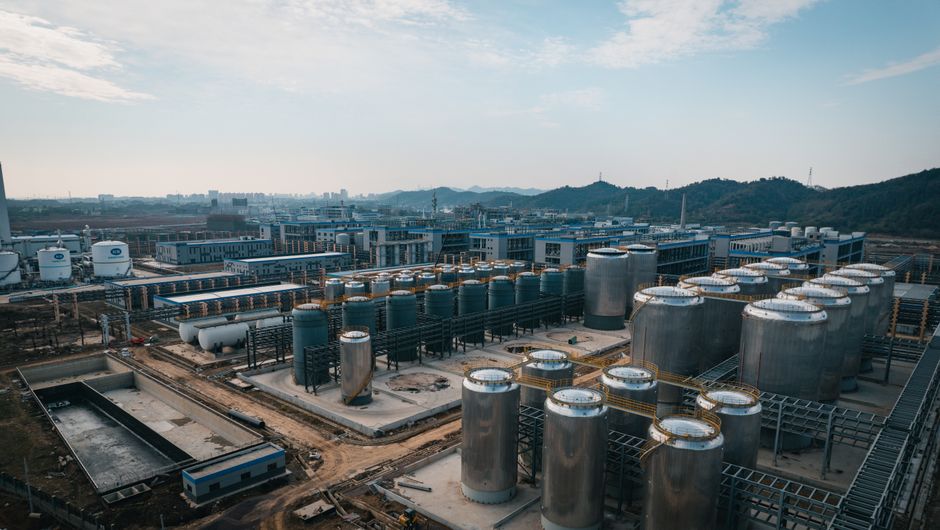
The Carlyle Group faces continued uncertainty over its proposed acquisition of Russian oil company Lukoil’s assets, with the transaction now delayed for nearly ten months as it awaits clearance from U.S. government authorities. The prolonged approval process has left refineries dependent on the deal’s completion sitting idle, intensifying supply constraints across the European fuel market at a time when crude product availability remains tight.
The acquisition, which would represent a significant shift in refining capacity and ownership within the energy sector, has become ensnared in the regulatory approval process. Without formal authorization from Washington, the transaction remains in limbo, preventing both parties from moving forward with asset integration and operational restructuring. This extended pause reflects the complexity surrounding cross-border transactions involving Russian energy assets, particularly in the current geopolitical environment.
Market Implications
The idle refineries represent tangible productive capacity removed from circulation at a moment when European fuel markets are experiencing tightness. With global crude supplies constrained by various factors including production challenges and logistical disruptions, the inability to bring these refining assets into full operation has contributed to upward pressure on fuel prices across the continent. Market participants have expressed concern that further delays could deepen supply imbalances if alternative sources fail to compensate for the production shortfall.
Refineries that would benefit from the transaction’s completion remain in a state of operational suspension, unable to process crude into essential petroleum products. This situation creates a ripple effect throughout downstream markets, potentially affecting fuel availability for transportation, heating, and industrial consumers across Europe. The uncertainty surrounding the timeline for approval has also complicated planning and investment decisions for market participants who depend on refined product supplies.
Regulatory Landscape
The prolonged approval timeline underscores the heightened scrutiny applied to transactions involving Russian energy assets by U.S. authorities. Regulatory bodies continue to assess the broader implications of such acquisitions, considering factors beyond traditional antitrust considerations. The extended review period reflects the multifaceted nature of modern transaction approvals, where geopolitical considerations, sanctions compliance, and national security assessments play increasingly prominent roles.
The situation highlights evolving regulatory dynamics within European financial markets, where significant energy sector transactions increasingly face extended review periods and additional compliance requirements. The delay demonstrates how cross-border acquisitions in strategic sectors now navigate a more complex approval environment, with multiple jurisdictions potentially influencing outcomes.
As European regulators and policymakers continue addressing energy security and market stability, transactions of this magnitude warrant careful examination. The Carlyle-Lukoil situation illustrates how prolonged regulatory uncertainty can create market inefficiencies and supply constraints, raising questions about optimal approval timelines and their broader economic consequences for European fuel markets and consumers.