
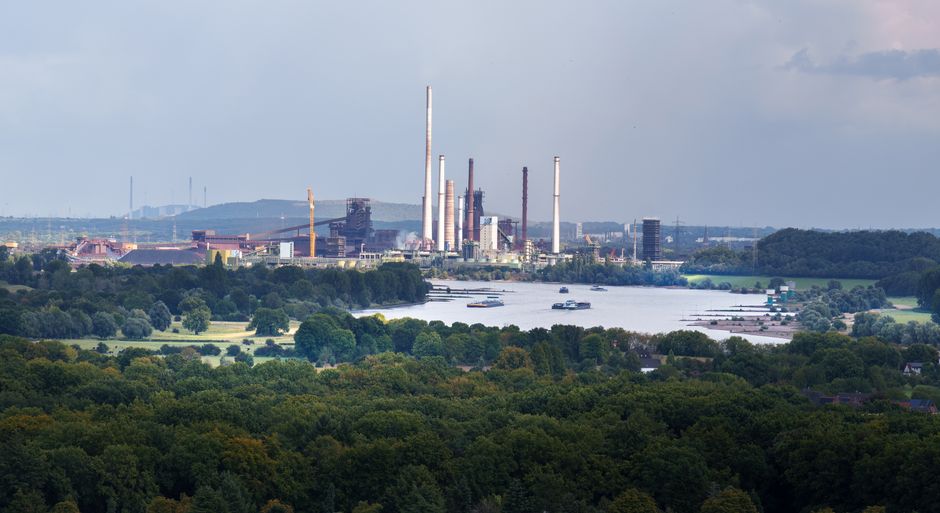
ArcelorMittal has announced the closure of its steel manufacturing plant in Kryvyi Rih, Ukraine, citing the severe operational impact of Russian military strikes that have resulted in worker fatalities. The Luxembourg-headquartered steelmaker expects to record an impairment charge of $1 billion in connection with the shutdown.
The decision represents a significant setback for Europe’s steel sector and underscores the widening economic consequences of the ongoing conflict in Ukraine. Kryvyi Rih, located in southeastern Ukraine, has emerged as a focal point of Russian military operations, with repeated strikes targeting critical industrial infrastructure in the region.
Operational and Financial Impact
The closure of the Kryvyi Rih facility marks a substantial reduction in ArcelorMittal’s European production footprint. The plant had been a cornerstone of the company’s operations in the region, contributing meaningfully to the steelmaker’s output across Eastern Europe. The $1 billion impairment charge reflects the write-down of fixed assets and represents one of the most tangible financial costs imposed on European industry by the conflict thus far.
ArcelorMittal’s decision prioritises worker safety above operational continuity, a position that reflects the intensifying military threat to civilian infrastructure and personnel. The casualties sustained at the facility made continued operations untenable, particularly given the unpredictable nature of ongoing military campaigns in the vicinity.
Broader Market Implications
The plant closure carries ripple effects across European steel markets and supply chains. Steel prices across the continent have remained elevated due to supply constraints, and the removal of a significant production facility could sustain upward pressure on commodity costs. European manufacturers reliant on steel inputs face continued uncertainty regarding procurement and pricing amid restricted Ukrainian output.
The incident also highlights the vulnerability of European industrial assets in conflict zones and raises questions about capital allocation and risk management for multinational corporations operating in geopolitically sensitive regions. Insurance claims, business interruption provisions, and force majeure considerations may feature prominently in ArcelorMittal’s financial reporting.
Regulatory and Industry Context
The closure underscores ongoing discussions within European regulatory circles regarding supply chain resilience and industrial policy. EU policymakers have expressed growing concern about dependencies on imports from regions facing geopolitical instability, prompting renewed focus on domestic production capacity and investment in alternative supply sources.
For ArcelorMittal specifically, the suspension of operations in Kryvyi Rih necessitates recalibration of its medium-term financial guidance and capital expenditure plans. The company will likely redirect production to alternative facilities across Europe, though capacity constraints may limit this flexibility. As the conflict persists, European steelmakers continue navigating unprecedented operational and financial pressures with limited visibility into normalisation timelines.