
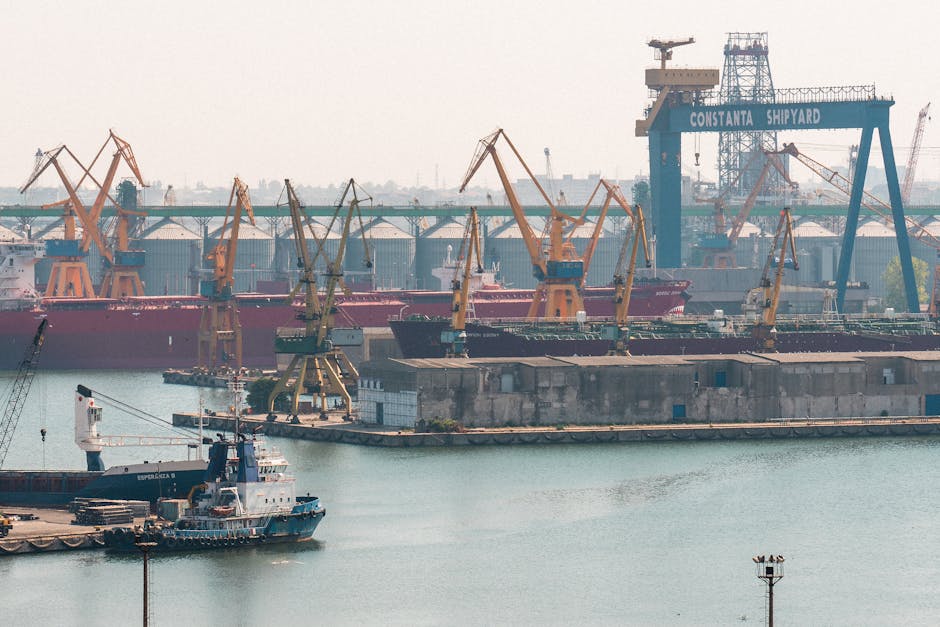
Fayard, a Danish maritime services operator, has maintained its position as the only European Union shipyard performing dry-dock maintenance and repair work on liquefied natural gas tankers engaged in transporting Russian gas from Siberia. The facility’s continued operations underscore the complexities surrounding energy sector sanctions and the fragmented approach to enforcement across EU member states.
Dry-dock services represent essential maintenance operations for commercial vessels, involving the removal of ships from water to enable comprehensive hull inspections, repairs, and safety certifications. For LNG tankers operating in the demanding conditions of Arctic and sub-Arctic routes, such maintenance proves critical for operational continuity and regulatory compliance.
Regulatory Landscape and Enforcement Gaps
The European Union has implemented successive sanctions packages targeting Russian energy exports since February 2022, following the invasion of Ukraine. These measures have effectively isolated Russian oil and coal from European markets and restricted new investment in Russian energy infrastructure. However, the maritime services sector has experienced inconsistent regulatory enforcement, creating operational gaps that certain EU-based facilities have continued to exploit.
Denmark’s approach to sanctions implementation has differed notably from several EU counterparts, particularly regarding services provision to vessels engaged in legitimate commercial shipping activities. While EU regulations prohibit the financing and insurance of Russian oil transport, restrictions on maintenance and repair services have remained comparatively less stringent, allowing Fayard to maintain client relationships across the shipping sector.
Strategic Implications for European Energy Policy
Fayard’s continued engagement with LNG tankers servicing Russian gas trade presents a strategic anomaly within the broader European approach to constraining Russian energy revenues. The shipyard’s operations enable the maintenance of shipping assets essential to Russia’s continued export capacity, though LNG represents a distinct category from crude oil within the sanctions framework.
The Danish facility’s monopoly position as the sole EU shipyard performing this specialized work reflects both the technical sophistication required for LNG vessel maintenance and the limited availability of alternative service providers following broader European disengagement from Russian energy partnerships. Other European maritime hubs have effectively exited this business segment through either regulatory compliance initiatives or voluntary commercial decisions.
Broader Market Context
The persistence of Russian LNG exports through maintained shipping infrastructure underscores ongoing tensions between the EU’s stated commitment to constraining Russian energy revenues and the practical limitations of comprehensive sanctions enforcement. European financial institutions, insurers, and service providers face continued pressure to audit their exposure to Russian energy sector clients, even as certain jurisdictions maintain service relationships.
The situation reflects broader questions regarding the effectiveness and comprehensiveness of the European sanctions regime. As the EU considers additional measures targeting Russian energy exports, attention may increasingly focus on closing service provision loopholes that allow critical infrastructure maintenance to continue. Member state coordination on maritime services enforcement remains inconsistent, potentially limiting the aggregate impact of Union-wide policy objectives.