
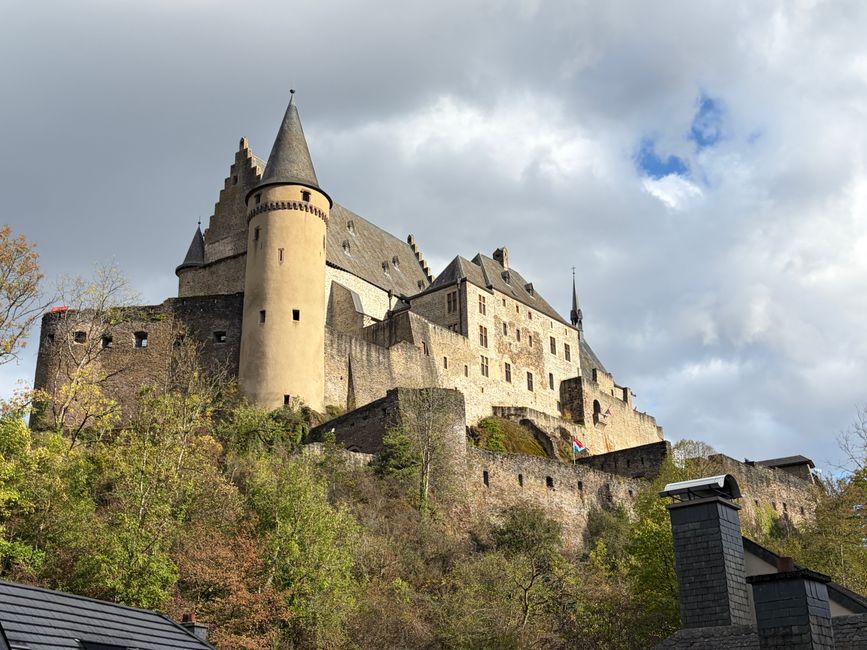
The German castle market presents an intriguing investment proposition for property buyers, with select medieval fortifications trading at valuations substantially below contemporary residential real estate in major metropolitan centres. Matthias Helzel, a real estate broker specializing in historic properties, has outlined the primary factors prospective purchasers should evaluate when considering acquisitions in this distinctive asset class.
The observation that certain castles command lower prices than two-room apartments in Munich underscores a significant valuation disconnect within Germany’s real estate market. This pricing dynamic reflects multiple variables influencing castle valuations, ranging from structural condition and maintenance requirements to location accessibility and commercial viability.
Market Dynamics and Investment Considerations
The growing interest in acquiring classic castles featuring traditional walls and towers has prompted closer examination of this niche property segment. Helzel’s analysis addresses the technical and financial dimensions that distinguish castle purchases from conventional residential transactions.
Prospective buyers require comprehensive understanding of restoration costs, which often represent substantial capital commitments beyond initial acquisition prices. Historic preservation standards, while protecting architectural integrity, can impose additional regulatory and financial obligations on property owners. The location of a particular castle significantly influences both purchase price and development potential, with rural fortifications often commanding lower valuations than those positioned near urban centres or tourist destinations.
Strategic Framework for Acquisition
Property investors evaluating castle purchases must assess commercial viability alongside preservation responsibilities. Many historic fortifications generate revenue through tourism, event hosting, or boutique hotel operations, offsetting maintenance expenditures. The distinction between properties requiring restoration and those in functional condition directly impacts financial projections and investment timelines.
Financing castle acquisitions presents distinct challenges compared to standard residential mortgages. Lenders frequently apply heightened scrutiny to historic properties, given uncertain valuation methodologies and specialized market conditions. Insurance requirements for fortified structures typically exceed standard residential coverage, reflecting unique risk profiles associated with aging masonry and complex architectural systems.
Broader European Context
The emergence of accessible castle ownership within Germany’s property market reflects broader European trends toward alternative real estate investments. Heritage property markets across the continent have attracted increasing institutional and individual interest, particularly as investors seek diversification beyond conventional residential and commercial segments.
This development carries implications for European banking and financing frameworks, as credit institutions refine underwriting standards for historic property transactions. The valuation methodologies applied to castles and palaces influence broader assessment practices within heritage asset classes across the European Union.
The German castle market demonstrates how geographical pricing disparities and specialized asset categories create investment opportunities within mature European real estate markets. As demand for historic properties continues expanding, the segment may attract increased regulatory attention regarding preservation standards, lending practices, and market transparency across EU jurisdictions.