
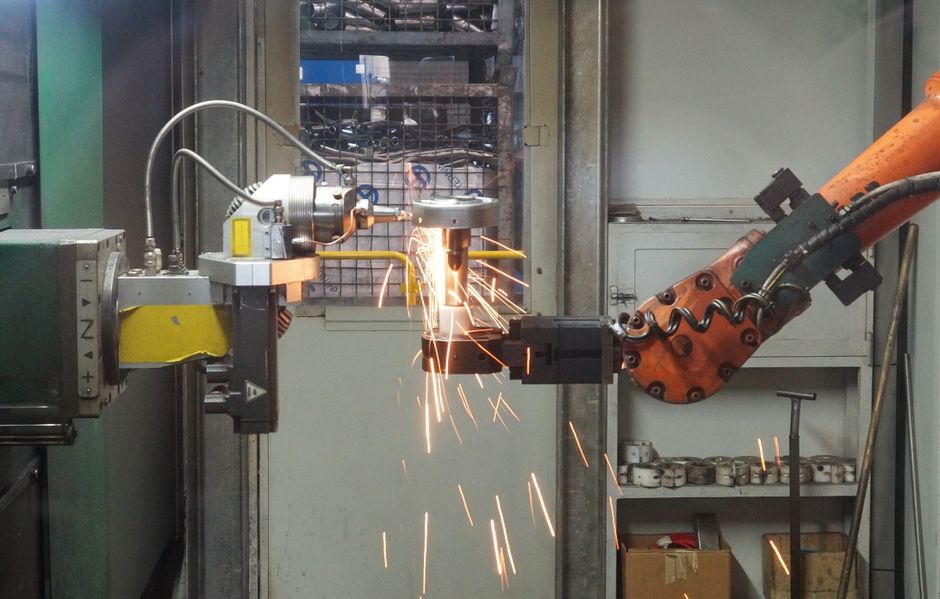
China has blocked ABB Ltd.‘s proposed sale of its robotics unit to Japan’s SoftBank Group Corp., marking a significant setback for the transaction and underscoring intensifying regulatory scrutiny of cross-border technology deals in strategic sectors.
The decision by Chinese authorities to prevent the acquisition represents a notable constraint on international M&A activity in the robotics industry, a field deemed increasingly critical to national economic competitiveness and manufacturing capabilities. The move reflects broader geopolitical tensions surrounding technology transfer and foreign ownership of advanced automation systems.
Deal Structure and Background
The acquisition would have transferred the robotics operations of the Zurich-based industrial automation specialist to SoftBank, Japan’s prominent technology conglomerate with substantial investments across robotics and artificial intelligence sectors. The transaction represented part of ABB’s portfolio restructuring efforts, as the Swiss company has pursued various divestiture strategies in recent years to focus its operational scope.
Robotics technology, encompassing both collaborative and industrial automation systems, has assumed heightened strategic importance globally. Manufacturing capabilities in this domain directly influence production efficiency across industries ranging from automotive to electronics, making regulatory approval a critical determinant of transaction completion in this space.
Regulatory Environment and Strategic Implications
The Chinese government’s intervention demonstrates consistent application of its foreign investment review mechanisms, particularly regarding transactions involving technology companies and advanced manufacturing systems. This decision aligns with patterns observed across multiple jurisdictions, where governments have implemented more stringent examination protocols for acquisitions involving robotics, artificial intelligence, and semiconductor technologies.
For European financial markets and companies, this development carries significant implications. European industrial automation specialists and technology firms pursuing international expansion must increasingly navigate complex regulatory environments across major trading blocs. The blocking of this transaction signals that Chinese authorities will continue exercising substantial discretion over foreign acquisitions within strategic technology sectors, regardless of the acquiring company’s geographic origin or global stature.
Broader Market Context
The impediment to this deal reflects wider challenges confronting cross-border M&A in technology-adjacent sectors. Regulatory bodies worldwide have adopted more interventionist postures regarding foreign acquisitions in industries perceived as strategically vital, fundamentally altering deal dynamics for multinational corporations and investment firms.
For ABB and comparable Swiss industrial enterprises seeking strategic exits or portfolio optimization, the blocking action underscores that transaction completion increasingly depends on securing approval from multiple regulatory jurisdictions rather than relying solely on commercial negotiations between parties. This complexity may influence capital deployment strategies and divestiture timelines for European industrial companies.
The incident reinforces emerging patterns in global finance where geopolitical considerations intersect with M&A strategy, particularly in sectors bridging advanced manufacturing and emerging technologies. European regulators and financial market participants must remain attentive to reciprocal regulatory trends as they navigate comparable transactions in coming periods.