
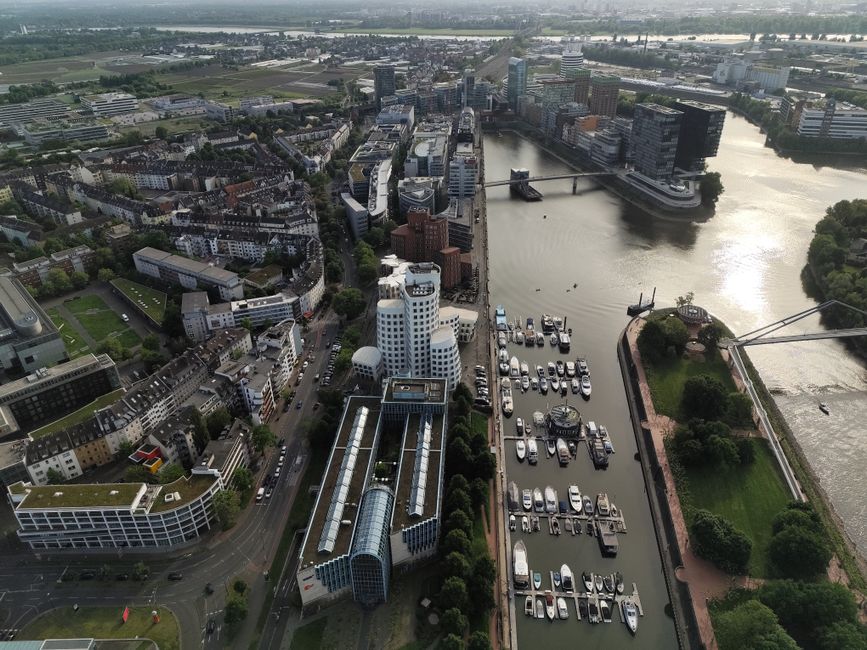
Uniper, the Düsseldorf-based gas utility majority-owned by the German government, has mandated Deutsche Bank, Citigroup, and UBS to prepare for a potential initial public offering on the Frankfurt market, according to financial sources familiar with the matter.
The three investment banks have been tasked with advancing preliminary work on an equity listing while the company simultaneously pursues a complete sale, creating a dual-track process that reflects the complexity of Germany’s energy transition and the government’s efforts to restructure its holdings in the sector.
Dual-Track Strategy and Timeline Pressures
The parallel approach represents an uncommon corporate finance scenario, wherein Uniper’s stakeholders are exploring both an IPO pathway and an outright acquisition of the entire enterprise. The compressed timeline for this dual process indicates that decision-makers view both options as viable within a near-term window, though the competitive nature of simultaneous tracks typically adds logistical complexity to deal execution.
The involvement of three of Europe’s most established investment banks underscores the complexity and scale of the mandate. Deutsche Bank, Citigroup, and UBS bring considerable expertise in large-scale equity transactions across European markets, particularly in the energy sector, which has undergone substantial restructuring in recent years as the continent prioritizes decarbonization and energy security.
Strategic Context in European Energy Markets
Uniper’s situation reflects broader dynamics within Germany’s energy landscape following the country’s decision to accelerate its exit from Russian gas supplies and fossil fuel dependence more broadly. The company has become strategically significant within European energy infrastructure, and its ownership structure—with the German state holding majority stakes—places particular emphasis on how the exit is executed.
The potential listing would mark a significant transaction within Frankfurt’s equity markets, which have seen considerable activity in energy sector restructuring. An IPO would allow the government to reduce its stake while maintaining market discipline and institutional investor oversight of the company’s operations and strategic direction.
The sale alternative would represent a different outcome, potentially concentrating ownership within a strategic buyer capable of integrating Uniper’s assets into broader energy operations. This pathway might appeal to large multinational energy companies seeking to expand their European footprint or to infrastructure investors focused on long-term utility assets.
Regulatory and Market Implications
The process unfolds within Europe’s increasingly scrutinized approach to energy infrastructure and foreign investment screening, particularly following geopolitical shifts in gas supply dynamics. Any transaction will require careful navigation of regulatory requirements at both federal and state levels within Germany, alongside potential European competition considerations given Uniper’s market position.
The dual-track structure, while demanding on management resources and advisory teams, provides stakeholders with optionality during a period of significant energy market uncertainty. How this process concludes will carry implications for European energy market consolidation trends and the government’s broader portfolio management strategy within the sector.