
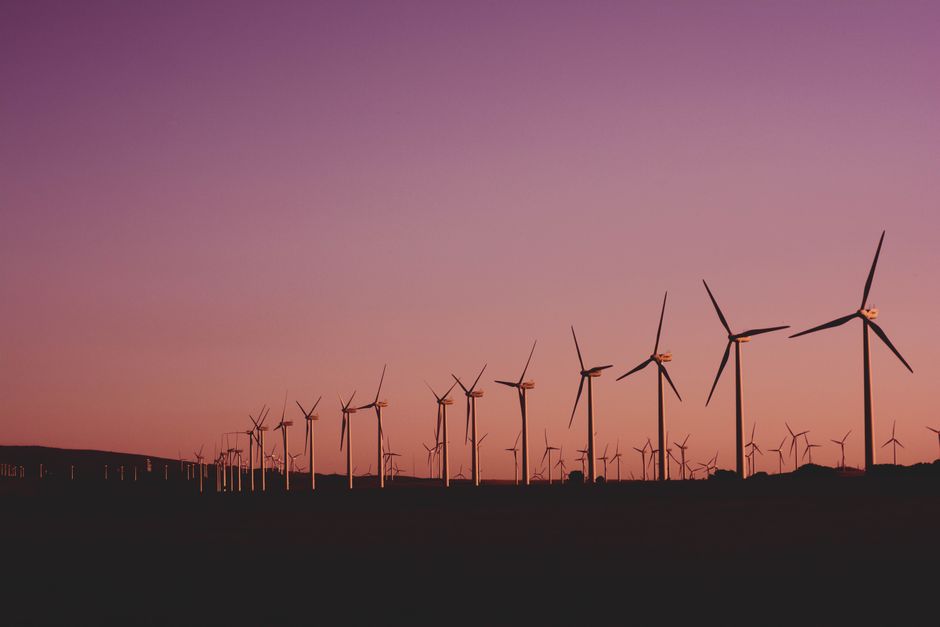
Commercial International Bank is positioning itself as a leading financier of Egypt’s renewable energy sector by deploying substantial multilateral development finance aimed at decarbonisation initiatives across the country.
The lender has secured $100 million in senior financing from the International Finance Corporation, the private-sector arm of the World Bank, alongside a €50 million Green Economy Financing Facility from the European Bank for Reconstruction and Development. The combined $154 million in facility funding represents a significant commitment to channelling capital towards wind and solar developments in Egypt, where energy infrastructure modernisation remains a strategic priority.
Islam Zekry, Group Chief Finance and Operations Officer and Executive Board Member at CIB, articulated the bank’s approach to sustainable project evaluation: “The difference between a strategically attractive project and a bankable one lies in the ability to translate strategic concept into predictable financial outcomes.”
Deepening Sector Expertise
CIB has already demonstrated operational capacity in renewable energy financing through its role as working-capital and on-shore account bank for wind-farm projects, including Amunet Wind Power Company. This established track record suggests the bank can effectively deploy the new facilities to identify and structure additional renewable energy opportunities across Egypt’s power generation landscape.
The dual-facility structure reflects evolving international approaches to green finance in emerging markets. The IFC’s senior loan component targets institutional resilience, while the EBRD’s dedicated Green Economy Financing Facility specifically designates capital for environmental transition projects. This configuration allows CIB to offer competitive pricing and extended tenors for renewable energy developers that might otherwise face constrained access to long-term debt.
Regulatory Momentum
Egypt’s Central Bank has reinforced the institutional environment for sustainable finance through its own regulatory framework, established between 2021 and 2022. These guidelines set expectations for banks’ environmental risk management and green asset allocation, creating regulatory tailwinds for facilities directed toward decarbonisation.
Additionally, the Cairo financial sector is preparing for emerging international requirements. The European Union’s Carbon Border Adjustment Mechanism, designed to prevent carbon leakage and incentivise decarbonisation globally, is prompting Egyptian banks to develop reporting capabilities and familiarity with carbon accounting methodologies.
Broader Implications
CIB’s expanded sustainable finance capacity reflects a wider pattern of multilateral development banks redirecting capital toward climate-critical regions. Egypt’s energy sector, historically dependent on fossil fuels, requires sustained investment in renewable alternatives to meet growing electricity demand and international climate commitments. By anchoring green finance through established banking institutions, the IFC and EBRD extend their development mandates while strengthening local financial intermediation.
For European investors and regulators, the facility demonstrates how development finance instruments can catalyse private-sector participation in energy transitions outside the EU, while also building compliance infrastructure around emerging international sustainability standards. As the bloc’s regulatory architecture becomes more stringent, similar models in neighbouring jurisdictions signal the direction of global financial market evolution toward mandatory carbon and environmental accounting.