
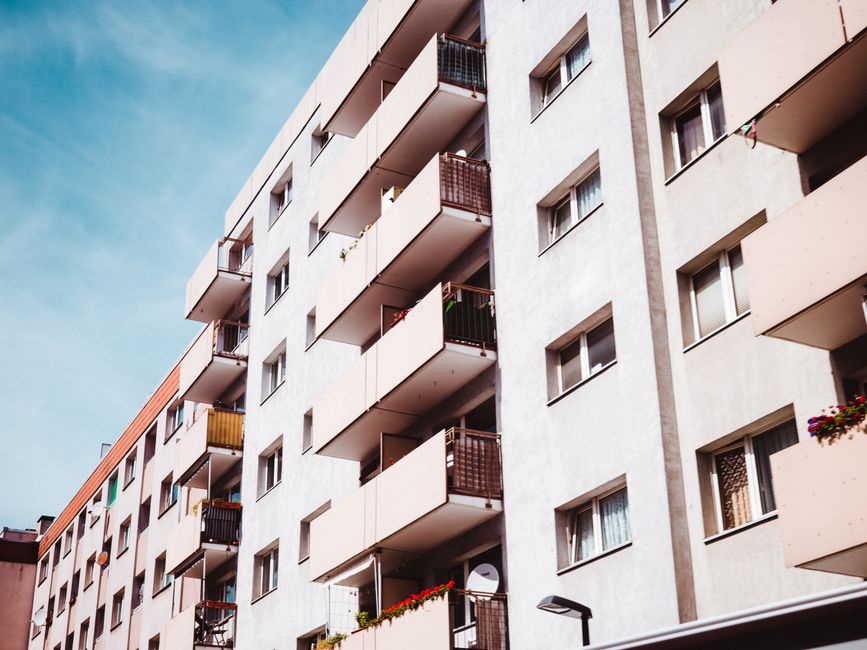
Residential property demand across Germany has accelerated notably in recent months, with Immoscout‘s residential barometer revealing a substantial uptick in buyer and renter interest despite persistent headwinds in the construction finance sector.
The findings indicate a divergence between market demand and lending conditions, with prospective buyers showing increased appetite for residential properties even as construction interest rates remain flat. This dynamic suggests that underlying demand fundamentals may be strengthening independently of financing cost improvements.
Three major German metropolitan areas have emerged as particular hotspots for price appreciation. Berlin, Cologne, and Leipzig have all experienced significant property price increases, reflecting concentrated investor and homebuyer activity in these regional markets. The movement represents a notable shift in residential market sentiment after an extended period of subdued activity.
Market Dynamics and Regional Performance
The surge in residential interest occurs against a backdrop of stabilised but elevated mortgage rates. Construction financing conditions have shown little movement in recent weeks, maintaining rates that remain substantially higher than the historically low levels seen prior to 2022. This stagnation in construction-related lending rates contrasts sharply with the evident expansion in buyer inquiry volumes.
Berlin’s property market has demonstrated particular resilience, with the capital continuing to attract significant domestic and international residential investment. Cologne’s performance reflects renewed confidence in western German metropolitan centres, while Leipzig’s appreciation underscores growing recognition of eastern German urban markets among investors seeking value and demographic growth.
The Immoscout barometer, which tracks search activity and inquiry patterns across the portal’s substantial user base, provides a real-time gauge of German residential market sentiment. The recorded increase in property interest suggests that prospective purchasers and tenants believe market conditions are becoming more favourable despite the absence of improvement in financing terms.
Financing Environment Presents Mixed Signals
The persistence of stagnant construction interest rates raises questions about whether residential demand gains can sustain themselves without accompanying improvements in mortgage availability or cost reductions. Banks and construction lenders have maintained relatively conservative pricing despite central bank indications of potential future rate cuts, reflecting ongoing concerns about macroeconomic uncertainty and credit quality deterioration.
This bifurcation between rising demand and unchanged financing costs may eventually pressure prices if construction lending remains restricted. Conversely, the strength of residential interest independent of rate improvements suggests underlying market fundamentals may be more robust than credit conditions alone would indicate.
European Context
Germany’s residential market developments reflect broader patterns across the European Union, where property demand has begun recovering in several major markets despite persistent financing constraints. The divergence between buyer appetite and construction lending conditions mirrors challenges facing other EU property markets, where central bank policies have elevated borrowing costs while demographic pressures and housing shortages continue supporting property valuations across major metropolitan centres.