
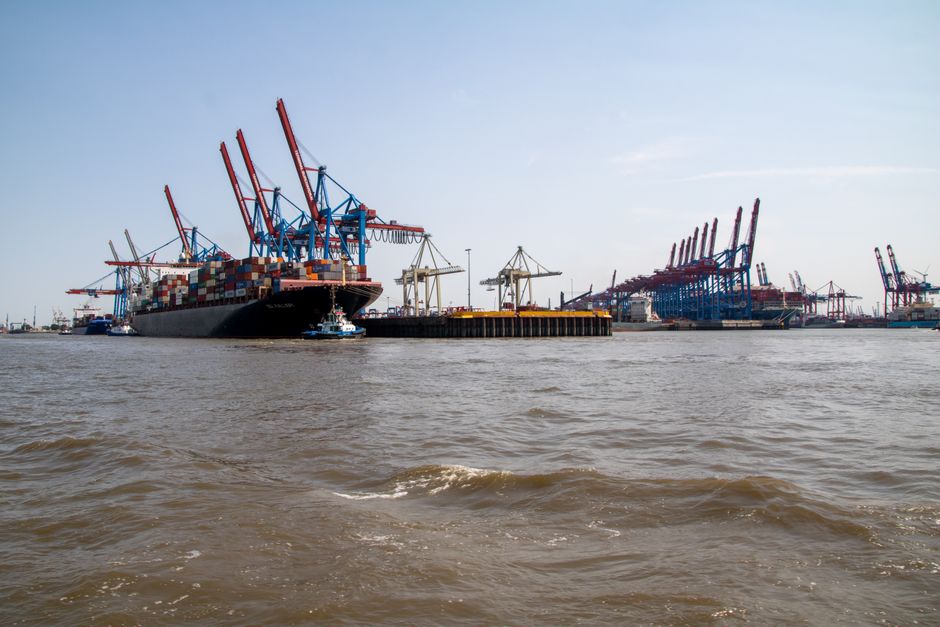
Greek shipowners are increasingly choosing to list their family-owned shipping companies on the Athens Stock Exchange, a trend that underscores the market’s growing importance as a capital-raising venue for the country’s most established industrial sectors.
The shift represents a strategic move by generational shipping families to access broader capital markets and diversify funding sources beyond traditional banking arrangements. By taking their companies public on the Athens exchange, these shipowners gain the ability to raise equity capital, improve corporate governance standards, and enhance their companies’ visibility to international investors.
Shipping Sector Strengthens Athens Market Profile
Greece’s shipping industry has long been central to the nation’s economy, with Greek shipowners controlling one of the world’s largest merchant fleets. However, many traditional shipping companies have historically remained privately held, with capital needs met through bank financing and retained earnings. The recent uptick in listing activity signals a meaningful change in this approach.
The decision to pursue public listings occurs within the context of challenging market conditions for shipping stocks globally. The sector experiences substantial volatility driven by cyclical freight rates, geopolitical factors affecting trade routes, and broader macroeconomic conditions. Despite these headwinds, Greek shipowners appear willing to navigate this volatility to access the capital markets, suggesting confidence in their business models and the utility of public market structures for their operations.
The listings also carry symbolic importance for the Athens Stock Exchange itself. The exchange has worked to rebuild its profile following the Greek financial crisis and subsequent years of capital controls. Each major corporate listing, particularly from established sectors like shipping, provides evidence of domestic investor confidence and international market interest in the Greek financial system.
Regional Financial Centre Aspirations
The participation of shipping companies in the capital markets strengthens Athens’s position within the broader European financial landscape. While major financial hubs like London, Frankfurt, and Amsterdam dominate cross-border capital flows, secondary markets serve vital functions for domestic and regional economies. The Athens exchange’s ability to attract listings from significant industrial sectors demonstrates its capacity to facilitate capital formation for Greece’s most internationally competitive businesses.
Shipowners considering public listings must navigate regulatory requirements set by Greek financial authorities and comply with corporate governance standards applicable to listed companies. These frameworks aim to protect investors while providing sufficient flexibility for companies to operate efficiently.
The trend toward greater capital market participation among Greece’s shipping families illustrates how traditional industries adapt to evolving financial structures. As European markets increasingly emphasize transparency, institutional investor participation, and liquidity, even historically private sectors are reassessing the benefits of public ownership structures. The Athens Stock Exchange’s success in attracting these listings reflects both the resilience of Greece’s maritime heritage and the enduring appeal of well-established capital market mechanisms across European financial centres.