
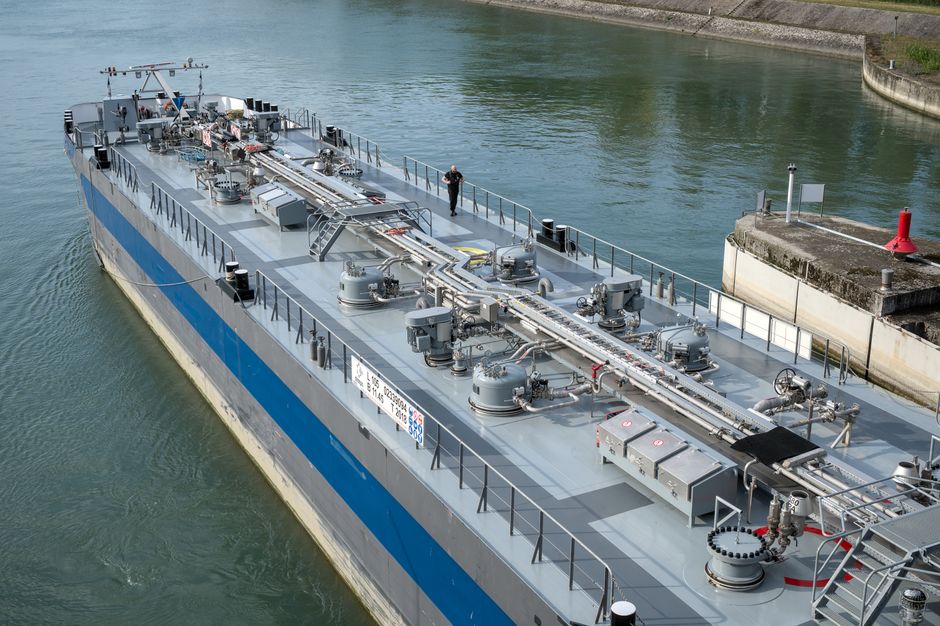
Greek shipping companies have accumulated approximately $4 billion in revenues over the past three years by transporting Russian crude oil while operating within the constraints of the G7 price cap regime, according to industry data tracking sanctioned commodity flows.
The three firms identified in the arrangement—Dynacom Tankers, Stealth Maritime, and Onassis Group—have maintained their commercial operations by adhering to the price ceiling mechanism established by the Group of Seven nations. This regulatory framework, designed to limit Russia’s revenue from oil exports while permitting continued global crude supplies, has created a defined commercial environment within which these Greek operators have conducted their shipping activities.
Operating Within International Sanctions Architecture
The G7 price cap regime, introduced following Russia’s invasion of Ukraine, permits the transportation of Russian petroleum products provided shipments remain below a specified pricing threshold. This mechanism was engineered to simultaneously reduce funding flowing to Moscow while maintaining oil market stability and preventing supply disruptions. Greek-flagged vessels and operators have represented a significant portion of the tonnage engaged in this trade, reflecting the country’s substantial presence in global shipping markets.
The $4 billion revenue figure represents the cumulative earnings generated by these three companies across a three-year period, indicating sustained commercial engagement with Russian oil producers despite the broader international sanctions regime. This volume underscores the considerable financial flows continuing through European maritime operators even as Western governments have sought to constrain Russia’s economic capacity.
Regulatory Framework and Market Implications
The ongoing participation of Greek shipping entities in Russian oil transportation highlights the complex mechanics of international sanctions enforcement. While the price cap mechanism creates legal pathways for continued trade, it simultaneously generates revenue for entities that previously operated without significant restrictions on Russian business relationships. The arrangement reflects the technical challenge of simultaneously restricting adversary financing while preserving market functionality.
Greek shipping has historically maintained significant exposure to Russian trade, and the price cap regime has effectively permitted continuity within this relationship. The commercial viability of this business line for Dynacom Tankers, Stealth Maritime, and Onassis Group suggests that regulatory compliance within the established price framework has rendered Russian oil transportation financially sustainable for European maritime operators.
Broader Regulatory Context
This development carries implications for European policymakers and financial regulators monitoring compliance with international sanctions. As the sanctions regime matures, the sustained revenue generation by EU-based shipping companies from Russian oil transport raises questions about the effectiveness and enforcement consistency of Western restrictions. The scale of financial activity—$4 billion across three companies—indicates that sanctioned trade channels remain operationally significant within European maritime commerce, despite political objectives to constrain such flows. Regulatory authorities across EU member states face ongoing scrutiny regarding their oversight of shipping entities engaged in price-capped Russian commodity transportation.