
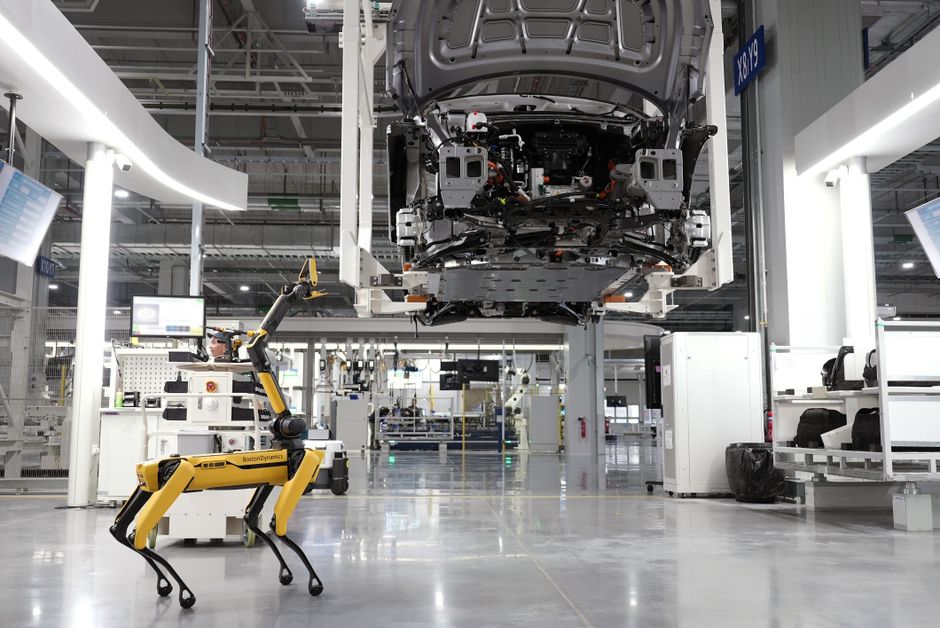
Index Ventures, the Zurich-based venture capital firm, is witnessing a fundamental reorientation in how the industry allocates capital toward artificial intelligence investments, according to Partner Nina Achadjian. Rather than concentrating exclusively on software-only applications, venture investors are increasingly directing resources toward companies developing AI systems for tangible industrial use cases, including robotics, manufacturing, and autonomous industrial systems.
Achadjian’s observations underscore a broader maturation within the venture capital ecosystem, where the focus has shifted from funding AI models as standalone products to supporting companies that integrate these technologies into physical systems and manufacturing processes. This transition reflects growing investor confidence in near-term commercial viability and revenue generation from AI applications beyond the software sector.
Early Conviction in Frontier AI
Index Ventures has positioned itself as an early-stage investor in companies at the forefront of this transformation. The firm backed Anthropic, the artificial intelligence company developing large language models, at a foundational stage. Additionally, the venture firm supported Physical Intelligence, a company focused on developing AI-driven robotic systems for manufacturing and logistics applications. These investments demonstrate Index Ventures’ strategic thesis around AI’s expanding utility across industrial verticals.
The firm has also backed ServiceTitan, a software platform that leverages automation and artificial intelligence to streamline operations for home and commercial service businesses. These three companies exemplify Index Ventures’ approach of identifying AI applications across different sectors and stages of development.
SpaceX’s Market Impact
Achadjian also addressed the implications of a potential SpaceX initial public offering for the venture capital landscape. A public listing of the aerospace company would have significant ramifications for venture-backed technology firms, particularly those with talented personnel who have gained experience in high-complexity engineering environments. The prospect of SpaceX becoming publicly listed underscores how successful, capital-intensive technology ventures eventually exit through equity markets, creating opportunities and challenges for downstream venture investment.
The mention of ex-SpaceX workers in AI and robotics ventures points to a talent migration pattern within technology sectors. Engineers and technical professionals who have worked on demanding aerospace projects often transition to artificial intelligence and robotics companies, bringing domain expertise and technical rigor to these emerging fields.
Regulatory and Market Considerations
For the European venture capital market and regulators monitoring fintech and investment sectors, the shift toward AI-enabled industrial applications carries broader implications. As venture capital increasingly funds companies developing autonomous systems and manufacturing technologies, regulators across the EU may need to establish clearer frameworks governing liability, safety, and algorithmic transparency in industrial applications. The European Commission’s ongoing efforts to develop artificial intelligence regulations will likely intersect with venture capital investment patterns as firms navigate compliance requirements alongside growth objectives.