
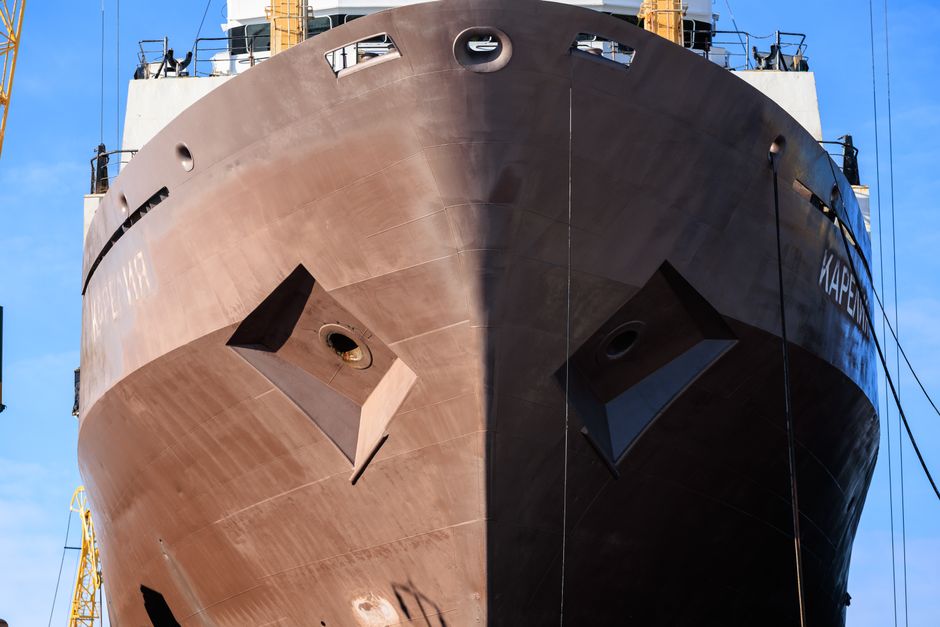
Fincantieri SpA, Italy’s leading shipbuilder and a major player in European defense contracting, has announced its agreement to acquire majority stakes in four underwater technology companies. The transaction represents a significant strategic pivot for the Trieste-based firm, marking its entry into the specialized subsea defense technology market that has attracted increasing investment from European governments.
The acquisition of these four companies will substantially broaden Fincantieri’s operational footprint across Europe’s military technology landscape. Rather than limiting itself to surface vessel construction, the shipbuilder is positioning itself to capture emerging opportunities in underwater systems and subsea defense capabilities—a market segment experiencing heightened demand as NATO members and European nations reassess their naval defense strategies.
Strategic Rationale and Market Dynamics
The move reflects broader trends within European defense procurement, where governments are intensifying investments in naval modernization and undersea warfare capabilities. Fincantieri’s decision to acquire majority control in multiple underwater technology specialists suggests a deliberate strategy to build integrated capabilities rather than pursue organic development alone. This consolidation approach allows the company to rapidly access specialized expertise, established customer relationships, and proprietary technologies within the subsea domain.
European shipbuilders have increasingly recognized that contemporary naval competition requires more than surface-level offerings. Advanced submarine systems, autonomous underwater vehicles, mine countermeasure platforms, and underwater surveillance technology have become critical components of national defense architectures. By securing majority positions in four companies operating within this ecosystem, Fincantieri is effectively creating a vertically integrated defense technology player capable of offering comprehensive solutions to government customers across multiple European markets.
Implications for European Defense Consolidation
The transaction occurs within a context of accelerating defense spending across Europe. Following Russia’s invasion of Ukraine, NATO members have commitments to increase defense budgets substantially, creating favorable market conditions for specialized defense contractors. Italy itself has elevated its defense spending trajectory, providing a supportive domestic environment for Fincantieri’s expansion initiatives.
This acquisition strategy may signal the beginning of consolidation within Europe’s fragmented underwater technology sector. Rather than allowing American or Asian defense firms to dominate this emerging subsea technology market, European companies are moving to establish integrated capabilities. Fincantieri’s moves could prompt similar strategic actions among competitors, potentially reshaping the competitive landscape for European defense contracting over the coming years.
The acquisition demonstrates how traditional shipbuilders are evolving beyond their historical roles to become comprehensive defense technology companies. By expanding upstream and downstream along defense value chains, Fincantieri positions itself to capture greater share of defense procurement cycles while reducing vulnerability to fluctuations in surface ship orders alone.
As European governments continue emphasizing technological sovereignty and domestic defense industrial capacity, acquisitions like Fincantieri’s underscore the strategic imperative for European firms to consolidate capabilities and compete effectively against well-resourced international competitors in specialized defense sectors.