
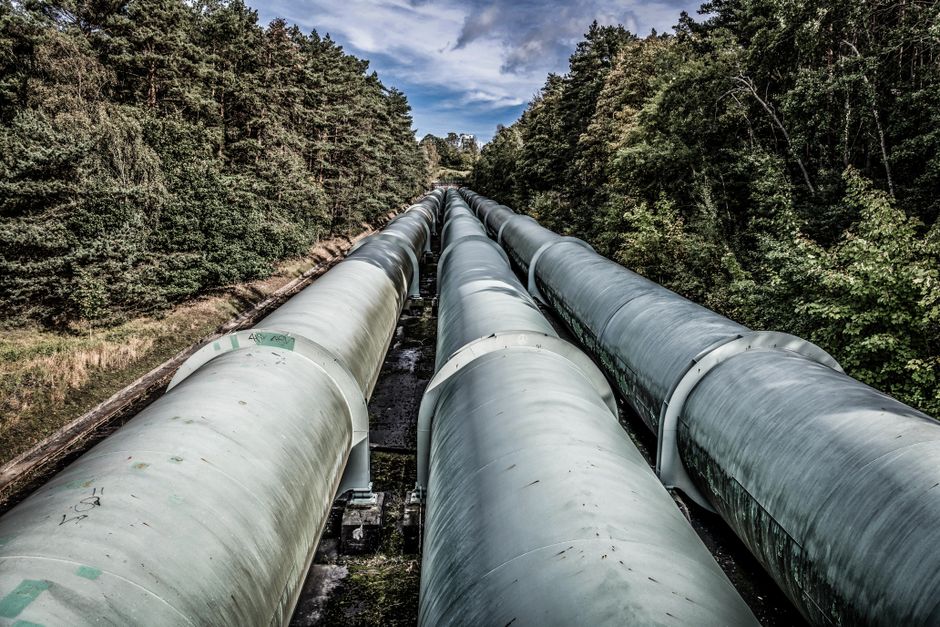
Lloyd’s of London and other insurers have secured a significant legal victory after a judge determined that war exclusion clauses in insurance policies apply to claims stemming from the Nord Stream pipeline blasts, potentially shielding the market from €580 million in payouts.
The ruling, delivered in London, represents a substantial outcome for the insurance sector, which faced considerable exposure following the September 2022 explosions that damaged the Russian-operated pipelines. The court’s decision establishes that the incident falls squarely within war-related exclusions commonly found in comprehensive insurance contracts, thereby relieving underwriters of their obligation to compensate policyholders for losses connected to the blasts.
Legal Determination on War Exclusion Clauses
The judgment centers on the precise interpretation of war exclusion language contained in various insurance policies held by entities with interests in the Nord Stream infrastructure. The court examined whether the explosions, which occurred in the Baltic Sea during the Ukraine conflict, constituted events falling within the scope of war-related exclusions designed to protect insurers from catastrophic losses during armed conflicts or hostile acts.
The judge’s determination reflects established insurance law principles whereby war exclusion clauses serve as fundamental risk allocation mechanisms between insurers and policyholders. By categorizing the Nord Stream incidents as war-related events, the court effectively narrowed the scope of claims that insurers must honor, preventing what could have constituted one of the largest environmental and infrastructure claims in recent European insurance history.
Market Implications and Risk Assessment
The ruling carries significant implications for how the global insurance market prices and structures coverage for critical infrastructure assets in geopolitically sensitive regions. Insurers and policyholders alike will likely reassess existing contracts and future underwriting terms in light of this judgment, particularly for facilities located near ongoing conflicts or in areas of heightened geopolitical tension.
For the London insurance market specifically, the decision validates the enforceability of contractual protections that underwriters have long relied upon to manage extreme tail risks. The outcome also reinforces the distinction between insurable risks and uninsurable war-related events, a principle that underpins premium calculations and policy design across the market.
Broader Regulatory Context
The case touches upon broader questions concerning the role of insurance in protecting stakeholders from geopolitical risks. European regulators and policymakers continue to grapple with questions about infrastructure resilience, cyber risks, and physical damage resulting from international conflicts. As energy infrastructure across Europe faces heightened scrutiny following the Nord Stream incidents, this ruling provides clarity on how existing insurance mechanisms will function during periods of geopolitical instability, potentially influencing both underwriting practices and the development of specialized coverage products for critical infrastructure assets in contested regions.