
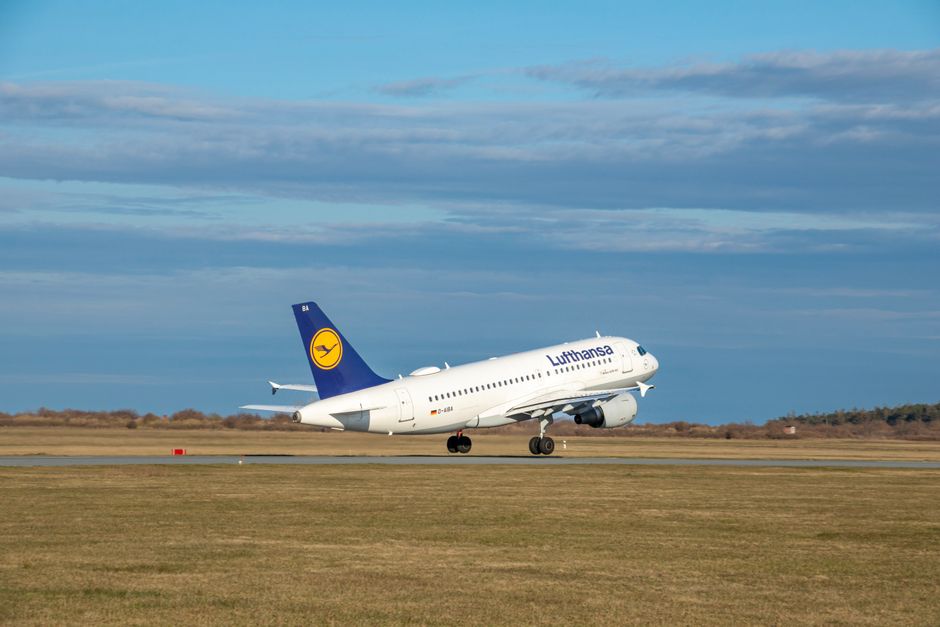
Deutsche Lufthansa AG has re-emerged as a candidate for inclusion in Germany’s flagship DAX index, positioning the airline among several companies under consideration for the Frankfurt Stock Exchange’s upcoming index composition review. The decision on which securities will comprise the DAX and related indices is scheduled for September, when the exchange will finalize its determinations on index membership.
The renewed candidacy represents a significant moment for Europe’s largest airline by revenue, which has faced considerable operational and financial challenges in recent years. The company, led by Chief Executive Officer Carsten Spohr, has undertaken substantial restructuring efforts to restore profitability and operational stability following the pandemic-induced downturn that devastated the aviation sector.
Competition for Index Spots
Lufthansa faces competition from at least two other companies that are similarly positioned in the running for DAX inclusion. The Frankfurt Stock Exchange evaluates potential index candidates based on criteria including market capitalization, liquidity, and free float—the proportion of shares available for public trading rather than held by major investors. These technical requirements ensure that indices maintain sufficient trading volumes and representativeness of the broader German equity market.
The DAX, comprised of 40 of Germany’s largest and most liquid companies, serves as the primary barometer of German economic health and corporate performance. Membership in the index carries significant implications for affected companies, typically resulting in increased institutional investor interest, enhanced visibility among asset managers following index-tracking strategies, and improved liquidity in their securities.
Market Implications
The timing of Lufthansa’s candidacy reflects the airline’s efforts to demonstrate sustainable financial recovery and operational improvement. Under Spohr’s leadership, the company has pursued cost reduction initiatives and strategic fleet optimization while navigating the competitive dynamics of European aviation and the continent’s evolving sustainability regulations.
The Frankfurt Stock Exchange’s index reviews occur periodically throughout the year, with each decision reflecting changes in market conditions, company performance metrics, and structural shifts within Germany’s listed equity universe. The September review carries particular weight as it shapes the composition of indices that will guide investor allocation decisions through the remainder of the year and into the next.
Regulatory Context
Index inclusion decisions by the Frankfurt Stock Exchange operate within Germany’s regulatory framework for market infrastructure and capital markets conduct. While the exchange maintains discretion in determining index composition based on published methodology, these decisions influence how billions of euros in passively and actively managed funds allocate capital across German equities.
The outcome of the September review will have implications extending beyond Lufthansa itself, as index composition decisions establish signals about which sectors and companies the Frankfurt Stock Exchange considers representative of Germany’s competitive position within the broader European economy. Aviation and transportation stocks remain closely watched indicators of economic activity and business confidence across the continent.