
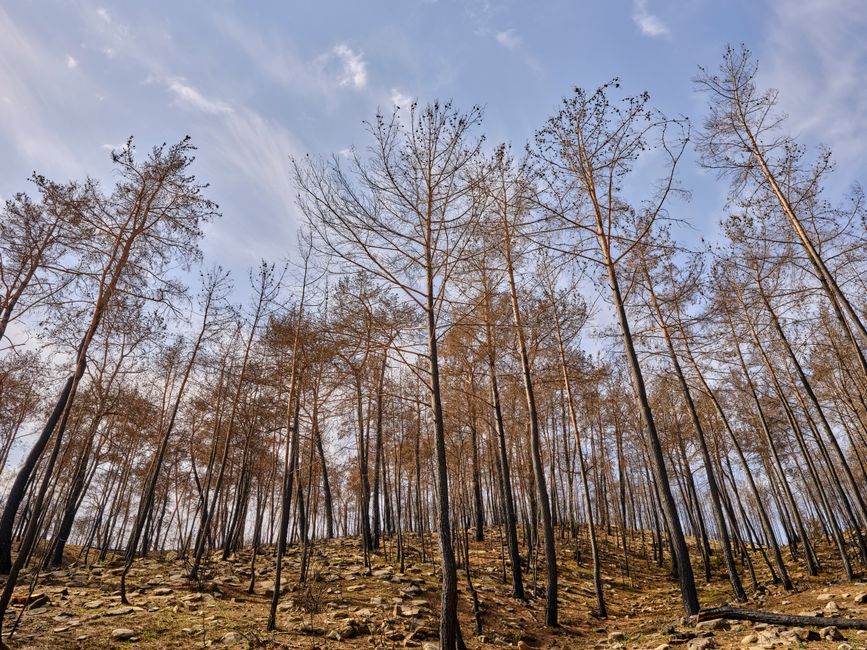
Munich Re, one of Europe’s largest reinsurance providers, has issued a stark warning about the mounting financial risks posed by forest fires across Germany, with its chief climatologist cautioning that the country faces potential billion-euro losses unless fire-prevention infrastructure is substantially reinforced.
Tobias Grimm, chief climatologist at the Munich-based reinsurer, highlighted the growing threat that large-scale forest fires now represent to densely populated areas adjacent to major German cities. His assessment underscores a troubling trend: wildfires are no longer confined to remote or sparsely inhabited regions but are increasingly encroaching on zones with significant residential and commercial concentrations.
The warning carries particular weight given Munich Re’s position within the German insurance ecosystem. As a major player in both primary and reinsurance markets, the institution’s risk assessments typically reflect comprehensive data analysis across the sector. Grimm’s intervention suggests that current fire-prevention frameworks are inadequate to address the scale and frequency of losses now materializing across the country.
Growing Financial Exposure
The potential for multi-billion-euro damages represents a material threat to insurers’ underwriting results and capital adequacy. Forest fires generate complex claim profiles, potentially triggering simultaneous losses across property, business interruption, and liability coverage. For reinsurers like Munich Re, such concentrated losses can substantially impact annual earnings and require higher loss reserves.
Germany’s insurance market has absorbed significant wildfire-related payouts in recent years, reflecting both more frequent ignition events and expanded fire risk zones. Climate data increasingly indicates that warmer, drier conditions are extending the fire season and creating conditions where blazes can spread more rapidly through populated proximity zones.
Call for Preventative Action
Grimm’s emphasis on strengthened fire-prevention measures reflects a growing consensus within the insurance industry that mitigation at source proves far more cost-effective than claims management downstream. Such measures could include enhanced vegetation management, improved early-warning systems, better coordination between municipal and regional authorities, and investment in firebreak infrastructure around vulnerable urban-adjacent areas.
The reinsurer’s public stance on this issue suggests Munich Re views preventative policy interventions as complementary to its own risk management objectives. By advocating for systemic prevention improvements, the institution seeks to reduce the probability and severity of future loss events that would ultimately flow through its reinsurance portfolios.
Regulatory and Market Implications
Munich Re’s warning arrives amid broader European discussions about climate-related financial risks and insurability thresholds. Regulators across the EU are increasingly focused on how climate hazards might affect insurance market stability and capital requirements. Germany’s Federal Financial Supervisory Authority continues monitoring concentration risks related to natural catastrophes affecting multiple insurers simultaneously.
The escalating forest fire risk also raises questions about the adequacy of premium pricing relative to underlying hazard exposure in affected regions. Should prevention measures fail to materialize, insurers may face pressure to adjust rates or tighten coverage conditions in high-risk areas, potentially affecting insurance accessibility and affordability in vulnerable zones.