
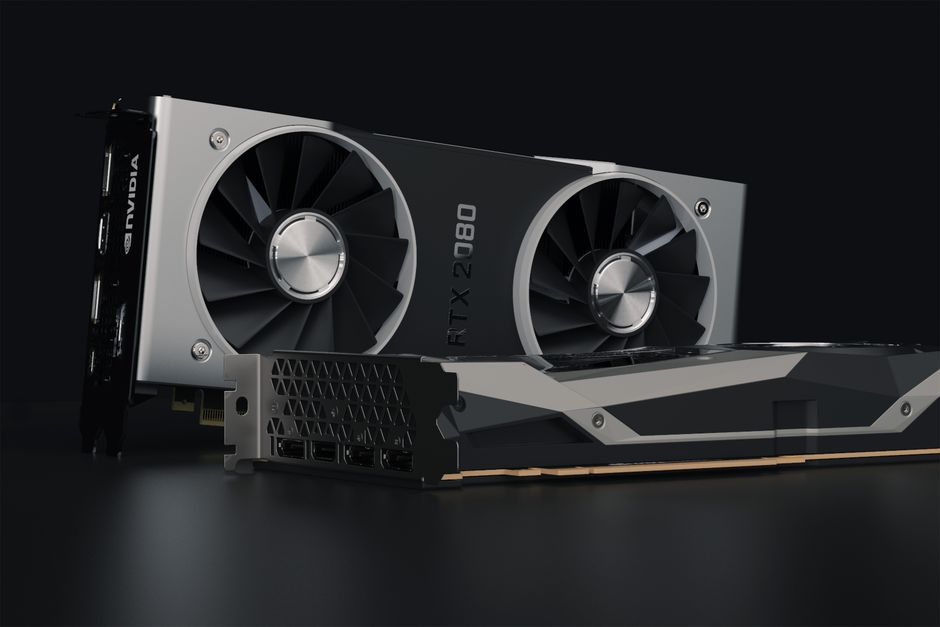
Nvidia, the dominant American semiconductor manufacturer, has initiated a substantial share repurchase program, signaling management confidence in the company’s valuation and strategic positioning within the technology sector. The buyback initiative represents a significant capital allocation decision by the technology giant, underscoring its commitment to returning value to shareholders while simultaneously reducing the equity base.
Share repurchase programs operate by allowing companies to acquire their own stock from the open market, thereby reducing the total number of shares outstanding. For Nvidia, this mechanism translates into a mechanical boost to earnings per share metrics, as the same net income becomes distributed across a smaller shareholder base. This financial engineering can enhance per-share performance indicators without necessarily reflecting improvements in underlying business operations.
Strategic Capital Deployment
The timing of Nvidia’s buyback initiative coincides with a period when the company’s valuation presents what management perceives as a favorable entry point for capital deployment. The semiconductor sector has experienced significant volatility, driven by macroeconomic uncertainties, supply chain considerations, and shifts in artificial intelligence investment patterns. By executing repurchases at current valuations, Nvidia’s board has determined that deploying excess capital toward share acquisition offers superior returns compared to alternative uses of cash.
The company’s decision reflects substantial confidence in its competitive moat within semiconductor design and manufacturing. Nvidia maintains commanding market positions in graphics processing units, data center processors, and specialized artificial intelligence accelerators. These positions generate considerable free cash flow, providing the financial flexibility to execute meaningful capital return programs.
Shareholder Implications and Market Considerations
The repurchase program carries nuanced implications for different shareholder constituencies. Long-term shareholders benefit from the per-share earnings accretion and the signal of management confidence. However, share buybacks remain a subject of ongoing debate within investor communities and among regulatory observers. Critics contend that buybacks can sometimes represent suboptimal capital allocation, particularly when companies face technological disruption risks or require investment in research and development capabilities.
For Nvidia specifically, the technology sector environment demands sustained investment in process technology advancement, software ecosystems, and product innovation. The semiconductor industry faces increasing competition from rivals seeking to capture share within artificial intelligence and data center markets. Capital deployment decisions must balance shareholder returns against competitive positioning requirements.
European Market Context
Nvidia’s capital return strategy carries indirect implications for European investors and financial markets. The company’s valuation and capital allocation decisions influence European technology stocks through comparative valuation frameworks and sector momentum dynamics. Additionally, European semiconductor companies and technology investors maintain exposure to Nvidia through various channels, including direct equity holdings and competitive positioning.
European regulators have increasingly scrutinized share repurchase programs, examining whether such programs constitute appropriate capital stewardship. The European Commission and national regulatory authorities continue evaluating whether buyback programs align with broader financial stability and corporate governance objectives within the continent’s regulated markets.