
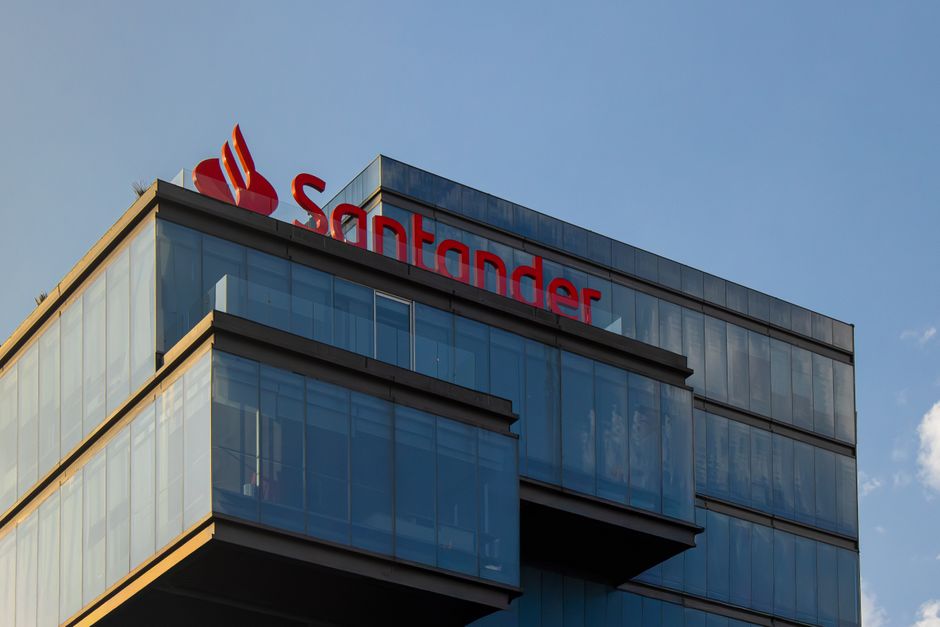
Banco Santander and BBVA have emerged as standout performers in European equity markets during 2026, with both Spanish banking giants delivering substantially stronger returns than the continent’s leading blue-chip index.
Santander’s shares have appreciated 26.22% year-to-date, while BBVA has posted gains of 24.44%, both figures eclipsing the Euro Stoxx 50’s more modest 11.73% advance over the same period. The outperformance represents a significant divergence between the two largest Spanish lenders and the broader index, underscoring the relative strength of the domestic banking sector.
The divergence reflects divergent market dynamics, with investors gravitating toward financial sector stocks that have benefited from elevated interest rate environments and improving credit conditions across the eurozone. Santander, led by Executive Chair Ana Botín and Chief Executive Officer Carlos Torres Vila, has capitalized on favorable macroeconomic conditions to deliver strong operational performance.
Banking Sector Momentum
Spain’s two banking behemoths have benefited from several structural tailwinds. Rising interest rates have expanded net interest margins across the sector, while subdued loan loss provisions have bolstered profitability. Additionally, improved consumer confidence and corporate investment activity have supported loan demand in the Spanish market, traditionally a core revenue driver for both institutions.
The performance gap between Santander, BBVA, and the broader Euro Stoxx 50 also reflects investor reassessment of financial sector valuations. European banks have long traded at discounts to their global counterparts, and 2026 has witnessed a revaluation as market participants recognize the sector’s resilience and earnings stability. This repricing dynamic has particularly benefited large-cap Spanish lenders with significant exposure to domestic retail and commercial banking operations.
Santander’s geographic diversification, spanning Europe, the Americas, and Asia, has provided additional resilience amid macroeconomic uncertainty. The bank’s strong capital positions and consistent dividend policies have attracted yield-focused investors seeking exposure to defensive equity sectors.
Broader Market Implications
The substantial outperformance of Spanish banking stocks relative to the Euro Stoxx 50 carries broader implications for European financial markets. The divergence suggests that sector-specific factors are currently outweighing broader macroeconomic headwinds that may be constraining growth in technology and consumer discretionary segments represented within the index.
As the eurozone navigates persistent inflation pressures and monetary policy adjustments, the banking sector’s relative strength may continue to provide portfolio ballast. However, the sustainability of this outperformance will depend on the trajectory of interest rates, credit quality trends, and macroeconomic growth across Spain and the wider eurozone. Market participants will be monitoring quarterly earnings reports from both institutions closely for evidence of margin expansion, loan growth momentum, and asset quality trends that could signal whether current valuations remain justified.