
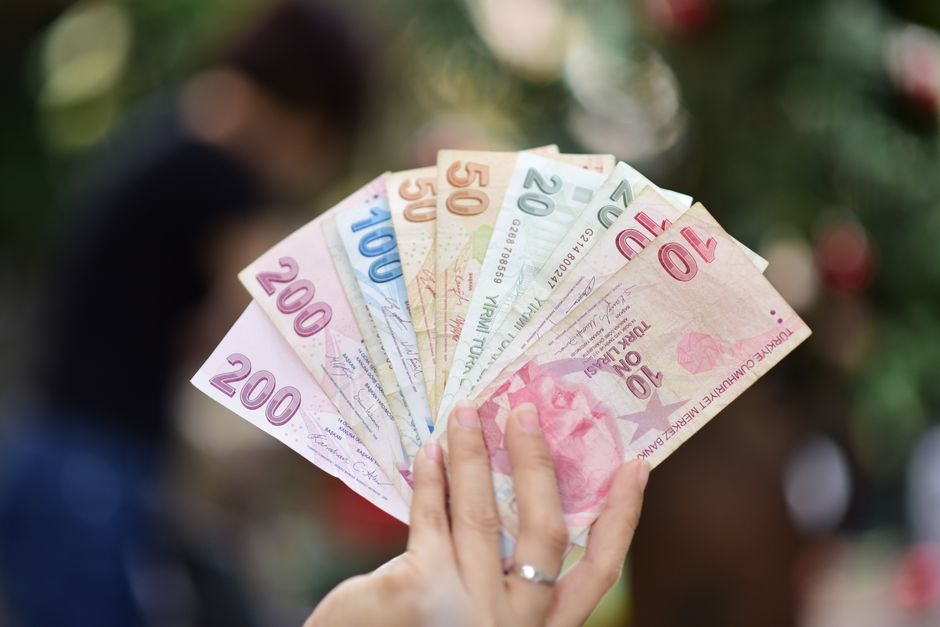
The Central Bank of the Republic of Turkey has resumed its monetary easing cycle by reducing its policy interest rate, ending a prolonged period of stability that had lasted through five consecutive meetings.
The decision marks a shift in the Turkish central bank’s approach to managing monetary conditions, as policymakers opted to lower borrowing costs after maintaining the rate at a fixed level during the preceding five policy sessions. The move signals an adjustment in the institution’s stance toward supporting economic activity, even as inflation continues to pose challenges for the Turkish economy.
Inflation Remains Elevated
Despite the rate reduction, inflation in Turkey remains at elevated levels, presenting a complex policy environment for the central bank’s governing council. This backdrop makes the timing of the rate cut particularly noteworthy, as central banks typically face trade-offs between supporting growth and maintaining price stability when inflationary pressures persist.
The extended pause that preceded this decision had allowed the central bank to assess the impact of its previous tightening measures and gather additional economic data. Markets had been monitoring expectations for policy movement, with economists closely tracking the central bank’s communications regarding the sustainability of inflation dynamics and the trajectory of economic growth.
Broader Policy Implications
The resumption of easing comes as Turkey navigates complex macroeconomic conditions, with policymakers balancing multiple objectives including price stability, financial system resilience, and support for economic expansion. The central bank’s decision to cut rates after the lengthy hold period reflects management’s evolving assessment of economic conditions and the effectiveness of previous policy measures.
Turkey’s monetary policy developments carry implications for broader regional financial dynamics and investor sentiment toward emerging market central banks. The Turkish central bank operates within a distinct economic context characterized by significant inflation persistence, exchange rate sensitivities, and structural economic challenges that differentiate its policy framework from major developed economies.
European Market Context
The Turkish central bank’s policy movements remain relevant to European financial markets, particularly given Turkey’s strategic position bridging Europe and Asia. Turkish financial assets, including government bonds and the lira currency, attract investment from European and global institutional investors seeking yield opportunities in emerging markets.
Central bank actions in significant emerging market economies often influence broader capital flows and risk appetite in European financial markets. Turkey’s monetary policy stance contributes to regional interest rate dynamics and currency volatility that institutional investors across Europe monitor as part of their emerging market exposure management.
As Turkey’s central bank proceeds with its monetary cycle adjustments, market participants will continue analyzing incoming economic data and central bank communications to assess the trajectory of future policy decisions and their implications for financial market conditions.