
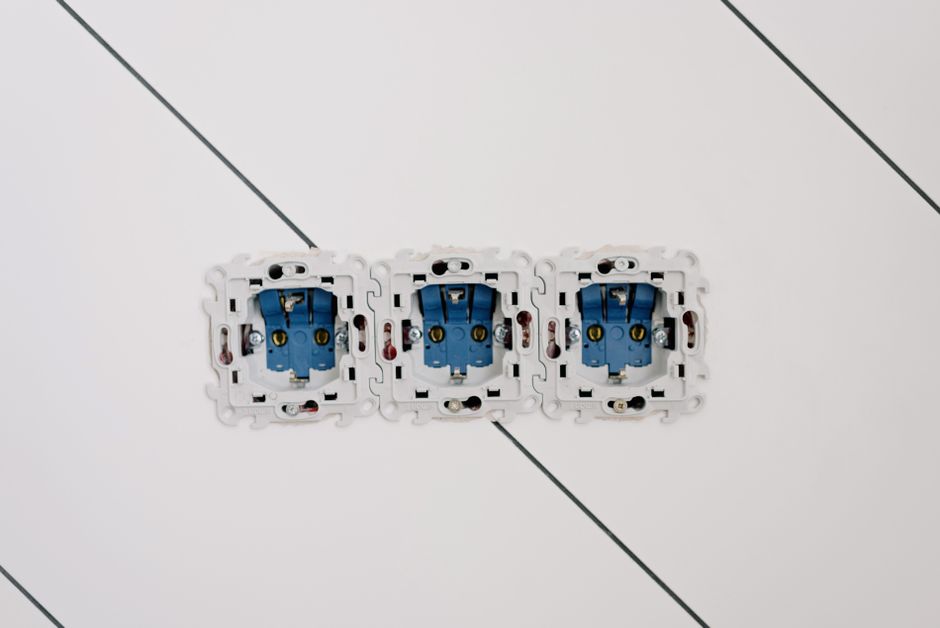
Legrand, the French manufacturer of electrical equipment and infrastructure solutions, intends to maintain an active acquisition strategy while preserving its financial performance, according to statements from Chief Executive Benoit Coquart.
The commitment to continued dealmaking underscores Legrand’s confidence in its ability to integrate acquired businesses efficiently whilst maintaining profitability targets. Coquart stated clearly: “We will continue to do a lot of acquisitions, which I believe won’t damage the financial profit of the group.”
Strategic Acquisition Approach
The executive’s remarks reflect a calculated approach to inorganic growth that has characterised the company’s business model in recent years. Rather than pursuing a handful of transformative megadeals, Legrand appears positioned to execute multiple transactions across its operating portfolio, leveraging its established integration capabilities and market presence in electrical infrastructure.
By signalling that multiple acquisitions will not compromise financial metrics, Coquart is essentially reassuring investors and stakeholders that the company’s operational efficiency and cost management frameworks can absorb the transaction volumes without diluting profitability. This represents a notable stance in an environment where acquisition-led growth strategies sometimes face investor scrutiny regarding their impact on near-term earnings.
Market Implications
Legrand’s acquisition trajectory reflects the broader consolidation trends within the European electrical equipment sector. As manufacturers compete for technological advancement, market share, and positioning within the digital infrastructure transition, strategic acquisitions have become instrumental for companies seeking to expand capabilities or geographic reach.
The company’s willingness to pursue numerous deals suggests confidence in several areas: management bandwidth to oversee integrations, availability of suitable acquisition targets at reasonable valuations, and sustainable balance sheet capacity to fund transactions through a combination of cash generation and capital markets access.
For Legrand, which operates across residential, commercial, and industrial segments, acquisitions offer pathways to strengthen product portfolios, enhance technological capabilities—particularly in building automation and digital infrastructure—and consolidate fragmented markets across various European geographies.
Broader European Context
The French electrical equipment sector remains a significant component of European industrial manufacturing, with players like Legrand competing internationally whilst maintaining substantial European operations. The company’s acquisition-focused strategy reflects confidence in European market fundamentals despite ongoing macroeconomic uncertainties.
For European financial markets, such acquisition announcements carry relevance beyond individual company performance. They signal management expectations regarding market conditions, financing availability, and medium-term growth prospects. In sectors critical to infrastructure modernisation and digital transformation—areas where European policymakers maintain strategic focus—sustained consolidation through acquisitions can influence competitive dynamics and regulatory considerations.
The commitment to profitable growth through acquisitions also reflects how established European industrial companies are positioning themselves amid global competition and technological change, leveraging scale advantages whilst maintaining financial discipline.