
Royal Philips NV, the Amsterdam-based medical equipment manufacturer listed on Euronext Amsterdam, has reported operating profitability in the second quarter that exceeded analyst expectations, driven by sustained demand for its medical imaging equipment and a favourable adjustment related to United States tariff refunds.
The company’s financial performance reflects both operational strength in its core diagnostic imaging business and the impact of trade policy developments that have affected the cost structure of its US operations. The combination of these factors contributed to results that surpassed market forecasts for the period.
Strong Performance in Diagnostic Imaging
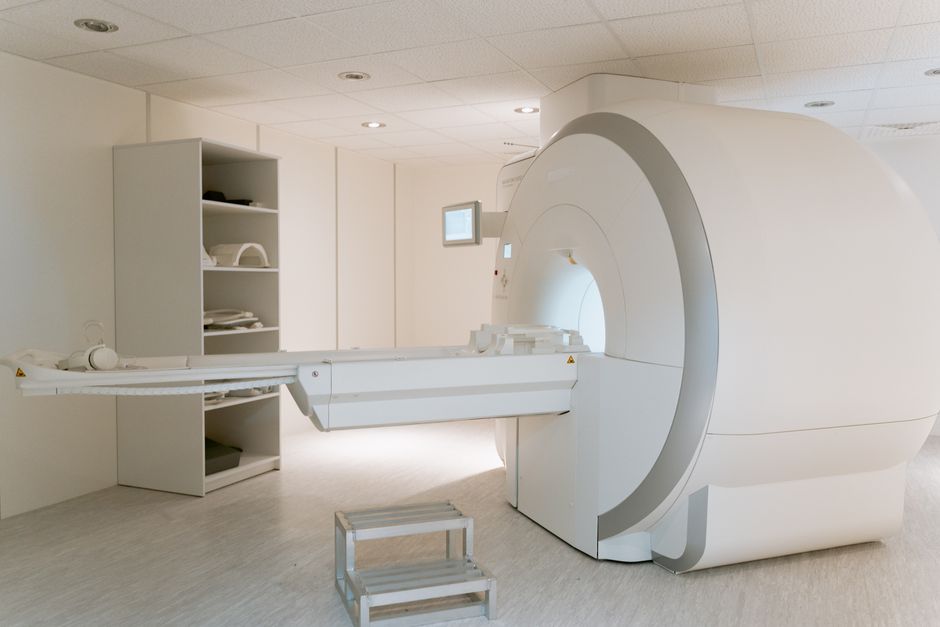
Robust sales of medical scanners formed the primary driver of the quarter’s profitability outperformance. The continued global demand for advanced diagnostic imaging equipment, particularly in developed healthcare markets, has underpinned the company’s revenue performance. Medical imaging represents a strategically important segment for Philips, encompassing technologies such as computed tomography systems, magnetic resonance imaging devices, and other diagnostic equipment used extensively across hospital networks and diagnostic centres.
The strength in this segment suggests that healthcare providers have maintained investment levels in diagnostic capabilities despite various macroeconomic pressures that have affected other industrial sectors. The international nature of Philips’ medical equipment business means the company benefits from demand across multiple geographic markets, insulating it somewhat from localised economic weakness.
Tariff Refund Impact
The company also benefited from a refund of tariffs previously imposed by the United States government. Such trade remedies have created a complex commercial environment for European manufacturers with significant exposure to the American market. The tariff refund provided a financial benefit that contributed meaningfully to the quarter’s bottom-line performance, improving profitability relative to the prior-year comparable period.
The resolution of tariff-related matters represents a positive development for companies in the industrial and medical technology sectors, which have faced elevated costs due to trade tensions over recent years. For Philips specifically, such refunds help offset the cumulative burden of increased input costs and logistical expenses that tariff regimes impose.
Broader Context for European Manufacturers
Philips’ results come at a time when European industrial companies continue to navigate an uncertain economic landscape characterised by inflationary pressures, energy cost volatility, and evolving trade relationships. The company’s ability to exceed expectations reflects both the resilience of demand in essential healthcare sectors and the capacity of established manufacturers to manage complex supply chains and regulatory environments.
For investors monitoring European equities, Philips’ second-quarter performance underscores the continued relevance of European medical technology companies in global healthcare markets. The results suggest that despite headwinds affecting broader industrial sectors, demand for specialised diagnostic equipment remains robust, particularly as healthcare systems prioritise investment in advanced diagnostic capabilities.