
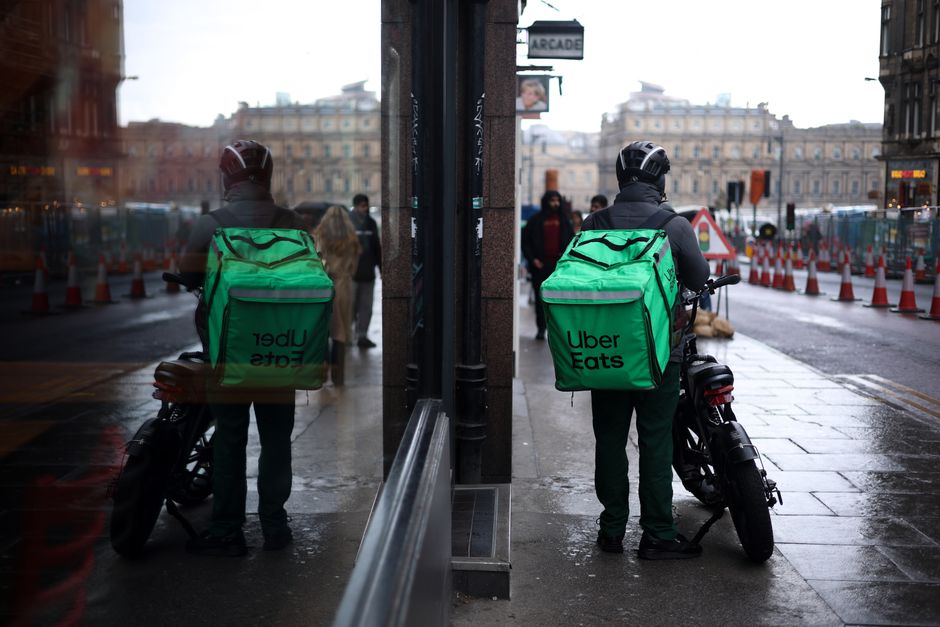
Uber Technologies Inc., the American ride-hailing and mobility services company, is engaged in advanced negotiations to acquire Delivery Hero SE, a Berlin-based food-delivery platform, according to multiple sources familiar with the matter. The prospective transaction would represent a major consolidation within Europe’s fragmented food-delivery landscape, bringing together two significant players in the region’s digital commerce infrastructure.
Delivery Hero SE has established itself as a prominent operator within the German and broader European food-delivery market through organic expansion and strategic acquisitions. The company operates multiple delivery platforms and maintains a substantial logistics network across numerous European markets, positioning it as a substantial competitor in an increasingly crowded sector.
Strategic Implications for Uber’s European Operations
The potential acquisition would enhance Uber’s existing food-delivery capabilities through its Uber Eats platform, which has experienced considerable growth across European markets in recent years. By integrating Delivery Hero’s operations, infrastructure, and market presence, Uber would strengthen its competitive positioning against other major food-delivery competitors operating throughout the continent.
The timing of these discussions reflects broader industry dynamics, as food-delivery companies have faced sustained pressure to achieve profitability following years of aggressive expansion and customer acquisition spending. Consolidation offers a pathway for companies to achieve operational efficiencies, reduce redundant costs, and optimize delivery networks across overlapping service territories.
European Market Consolidation Trends
Food-delivery platforms across Europe have undergone significant transformation over the past several years, with numerous mergers and strategic combinations reshaping the competitive landscape. These consolidation trends reflect the sector’s maturation and the substantial capital requirements necessary to maintain competitive delivery operations while pursuing sustainable business models.
The prospective Uber-Delivery Hero transaction would follow similar industry patterns observed across multiple European markets, where dominant platforms have sought to expand their geographic reach and service offerings through acquisitive strategies. Such combinations frequently generate regulatory scrutiny from competition authorities evaluating potential competitive impacts within relevant geographic markets.
The European regulatory environment surrounding digital platforms and competition law remains particularly stringent, with authorities maintaining close oversight of large technology companies’ expansion activities. Any proposed transaction of this magnitude would likely require notification to relevant competition regulators and would be subject to detailed review regarding potential competitive effects within European markets.
As food-delivery consolidation continues across Europe, the sector’s evolution toward fewer, larger operators raises important questions regarding competitive intensity, pricing power, and market access for independent restaurants and smaller delivery operators. Regulatory authorities will continue monitoring these developments to ensure compliance with European competition frameworks while assessing broader implications for digital marketplace competition.